Know the load
Map demand, peaks and operating hours.

Heat readiness · advanced energy intelligence
The Moebotics Energy technology stack combines customer-authorised energy data, specialist modelling and digital system design with quality solar, battery and inverter technology—creating a recommendation aligned to how your site uses energy.

The Bureau’s long-range forecast issued 20 August 2026 gives most of Australia a 60% to greater than 80% chance of above-average maximum temperatures for September–November, excluding parts of the tropical north. The chance of unusually high maximum temperatures exceeds 80% across most of south-western and south-eastern Australia.
This seasonal probability outlook covers September–November rather than a specific heatwave or the full 2026–27 summer. As higher temperatures can increase cooling demand and electricity use, now is a valuable time to assess how site-specific solar, storage and load planning could support your home or business.
Continuity planning is site-specific: essential loads, inverter output, usable battery capacity, available solar, switching architecture and the intended operating duration all need to be assessed before any continuity feature is proposed.
Map demand, peaks and operating hours.
Model solar, storage and continuity priorities.
Monitor performance and optimise over time.
Australia already has a substantial solar and battery base, while business rooftops still represent a significant opportunity for productive onsite generation and storage.
Significant business potential—a reason to assess usable roof area, daytime load, demand charges and storage together.
Learn more ↗More than 500,000 batteries had been installed for homes and businesses under the Australian Government program, with more than 13 GWh of small-scale storage installed in its first year.
validly certified small-scale solar PV installations recorded to 31 July 2026.
CER data ↗combined rated output of those recorded small-scale PV installations.
CER data ↗Time-based usage reveals operating patterns that annual totals and headline product sizes can hide.
Roof, switchboard, connection, load timing and future electrical needs shape the final design.
The 4.50 million figure records valid certificate claims for new systems, upgrades and off-grid systems. National deployment data provides context; it does not determine whether a particular product or system is suitable for an individual site.
Moebotics Energy can coordinate a defined pathway from the first bill and interval-data review through site-specific design, implementation and selected ongoing services.
The agreed scope can separate assessment, analysis, design, implementation coordination, commissioning inputs, monitoring and management so responsibilities remain clear.
Service scope, approvals, monitoring access and ongoing management are confirmed for each project. Installation work must be completed by appropriately qualified people and comply with the final design, site conditions and applicable requirements.
Our planned technology stack brings energy data, scenario modelling, digital design and performance review into one coordinated pathway with documented responsibilities—from first assessment to ongoing management.
The same disciplined method adapts to the priorities, operating profile and complexity of residential, commercial and industrial energy users.
Comfort, control and household energy value.
Operating-cost and energy-performance priorities.
High-load strategy, resilience and lifecycle coordination.
System performance brings hardware, settings, communications, firmware and operating strategy together. Moebotics Energy coordinates these elements through site-specific analysis, a documented commissioning pathway and the selected ongoing review service.
Available interval data, tariffs, peak demand, operating hours and future loads inform system sizing and the investment case.
We confirm the equipment, connection conditions and required settings, then provide the agreed commissioning and handover records.
Communications, access responsibilities and authorised control pathways are aligned with compatible services, permissions and the agreed scope.
Where telemetry and a service plan are available, we can review performance, communications and agreed system changes over time.
Each project and service plan defines its monitoring, reporting and review scope. Any continuity feature requires separate design around nominated circuits, power requirements, switching and the operating-duration objective.
Homes and businesses have different loads, tariffs, operating priorities and approval pathways. We design for the site in front of us.

Compare six residential and commercial starting envelopes, then confirm the final system from your load, site, tariff, network and operating requirements.
Essential, Smart and Complete.
Essential, Performance and Enterprise.
These indicative starting points help frame the conversation. Your final proposal confirms site-specific sizing, scope, pricing and expected performance.
The Moebotics Energy technology stack works from customer-authorised retailer data where an eligible connection is available, or from securely supplied bills, interval files, inverter exports and site information. Retailer connectivity is being prepared for launch, while secure file-based assessment is available now.
Example assessment view. Your analysis is built from your available site data.
Our technology stack is being configured to connect customer-authorised data, tariff and load analysis, solar-and-battery simulation, digital system design and transparent proposal outputs with carefully selected hardware.
Bring together available usage intervals, billing, tariff, meter and registered energy-resource information to create a clearer baseline.
Test suitable solar, battery, tariff and operating scenarios, including projected investment metrics for eligible business projects, under stated assumptions.
Translate the preferred pathway into site-aware design, compatible equipment options, a commissioning baseline, documentation and handover requirements.
Where supported and included in the service, use connected data to identify issues, track agreed changes and guide practical improvements.
Available data, site conditions, tariffs, equipment, communications and the selected service scope shape each analysis. Final recommendations are confirmed through site review, engineering, current network requirements and the accepted project scope.
A selected service plan can use available telemetry and authorised access to track performance, flag communications issues and support periodic reviews. We document any recommended actions within the agreed service scope.
Monitoring cadence, reporting, response pathways and supported equipment are defined clearly in the selected service plan.
Analysis comes first. We then test exact-model documentation, configuration, communications and site requirements before equipment is proposed.

 BATTERY STORAGE
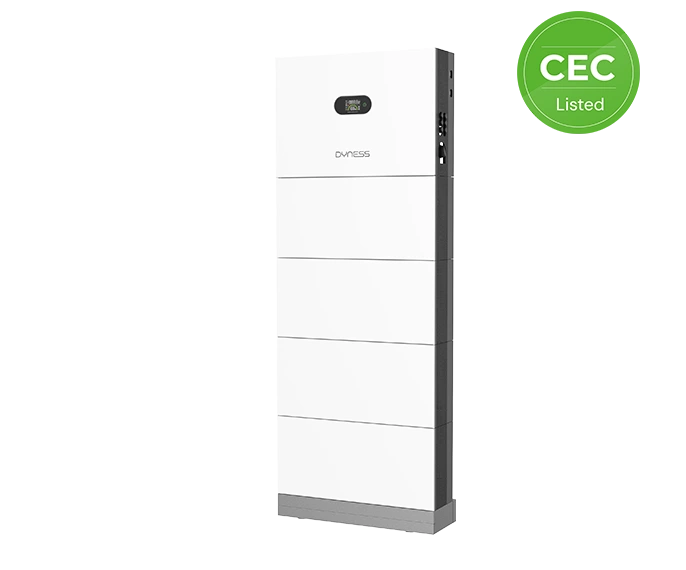
Modular storage for homes and commercial sites.
BATTERY STORAGE
Modular storage for homes and commercial sites.
Explore home batteries, scalable stacks and commercial storage pathways.
Explore Dyness ↗
 SOLAR + STORAGE
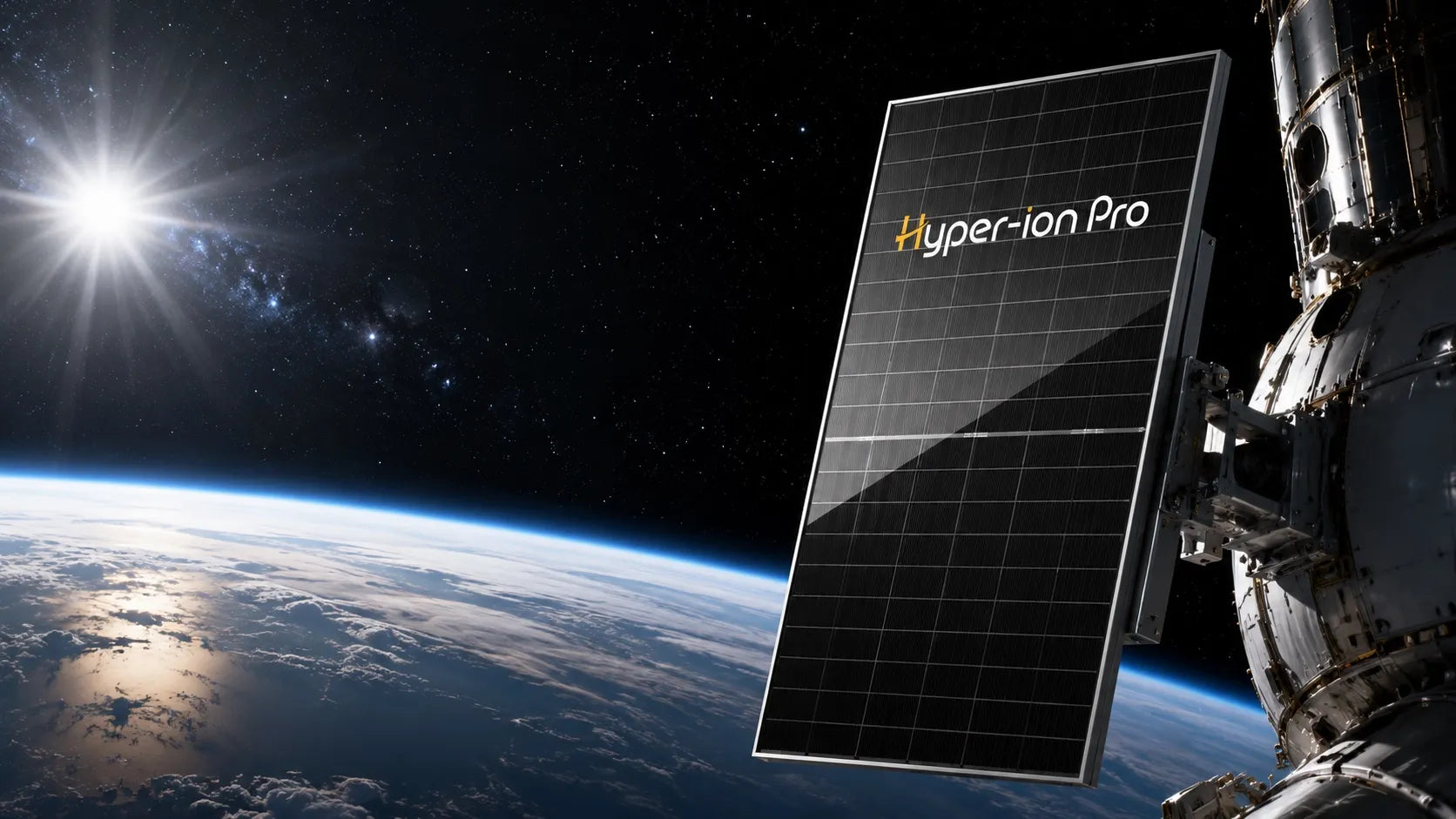
Solar modules and storage from home roofs to larger projects.
SOLAR + STORAGE
Solar modules and storage from home roofs to larger projects.
Explore Australian solar modules and commercial storage systems.
Explore Risen ↗
 INVERTER + CONTROL
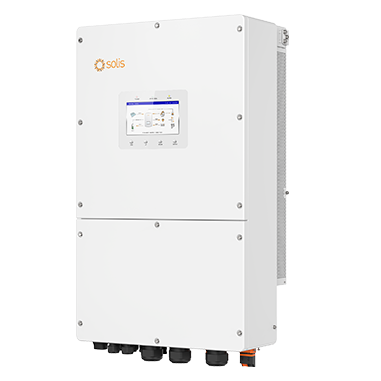
Solar and hybrid platforms across residential and C&I.
INVERTER + CONTROL
Solar and hybrid platforms across residential and C&I.
Explore inverter, battery-control and monitoring pathways.
Explore Solis ↗
 HYBRID + STORAGE
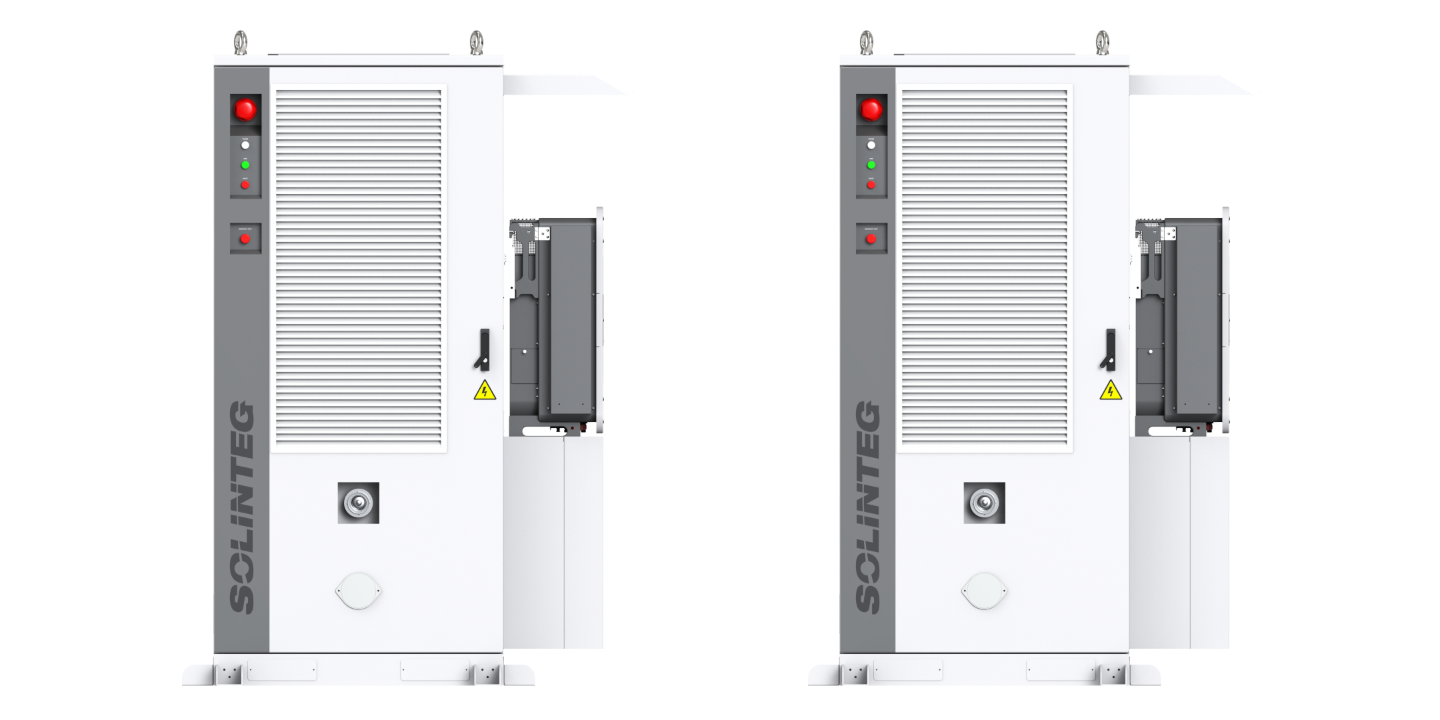
Connected hybrid and storage architecture across multiple power classes.
HYBRID + STORAGE
Connected hybrid and storage architecture across multiple power classes.
Explore residential, commercial and industrial energy platforms.
Explore Solinteg ↗Our expanded range now includes commercial storage, AC and DC EV charging and portable power. Each recommendation is still shaped around the site, operating requirement and intended outcome.
Compare solar, storage, hybrid inverters, controls, EV charging and portable power in one problem-led catalogue.
Explore all products & solutions ↗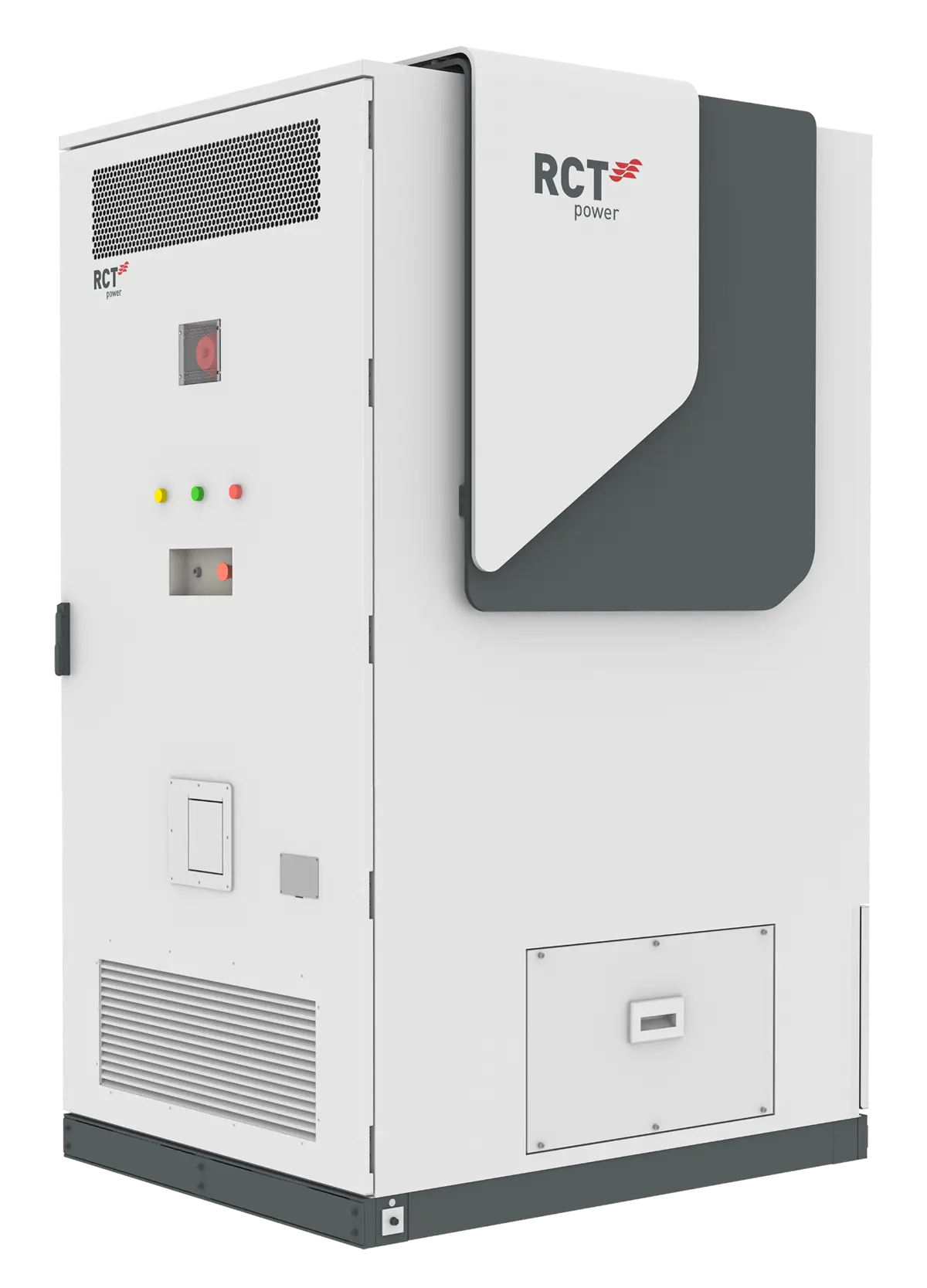
Compare the RCTerra Class 2.0 and RCTerra Pro 2.0 for different commercial and industrial storage requirements.
Explore RCT Power storage ↗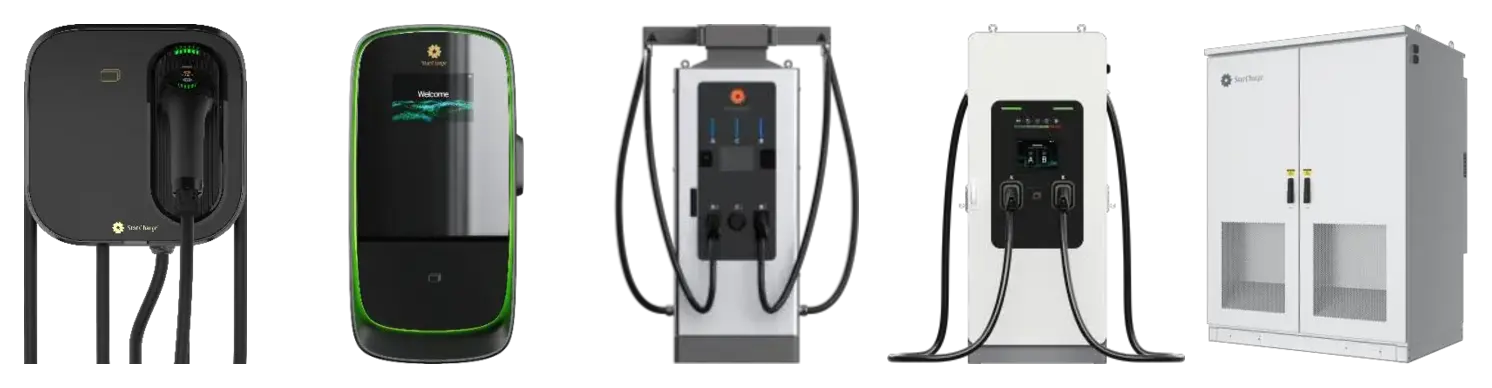
Plan home, workplace, fleet and public-facing charging around vehicles, dwell time and available site capacity.
Explore StarCharge equipment ↗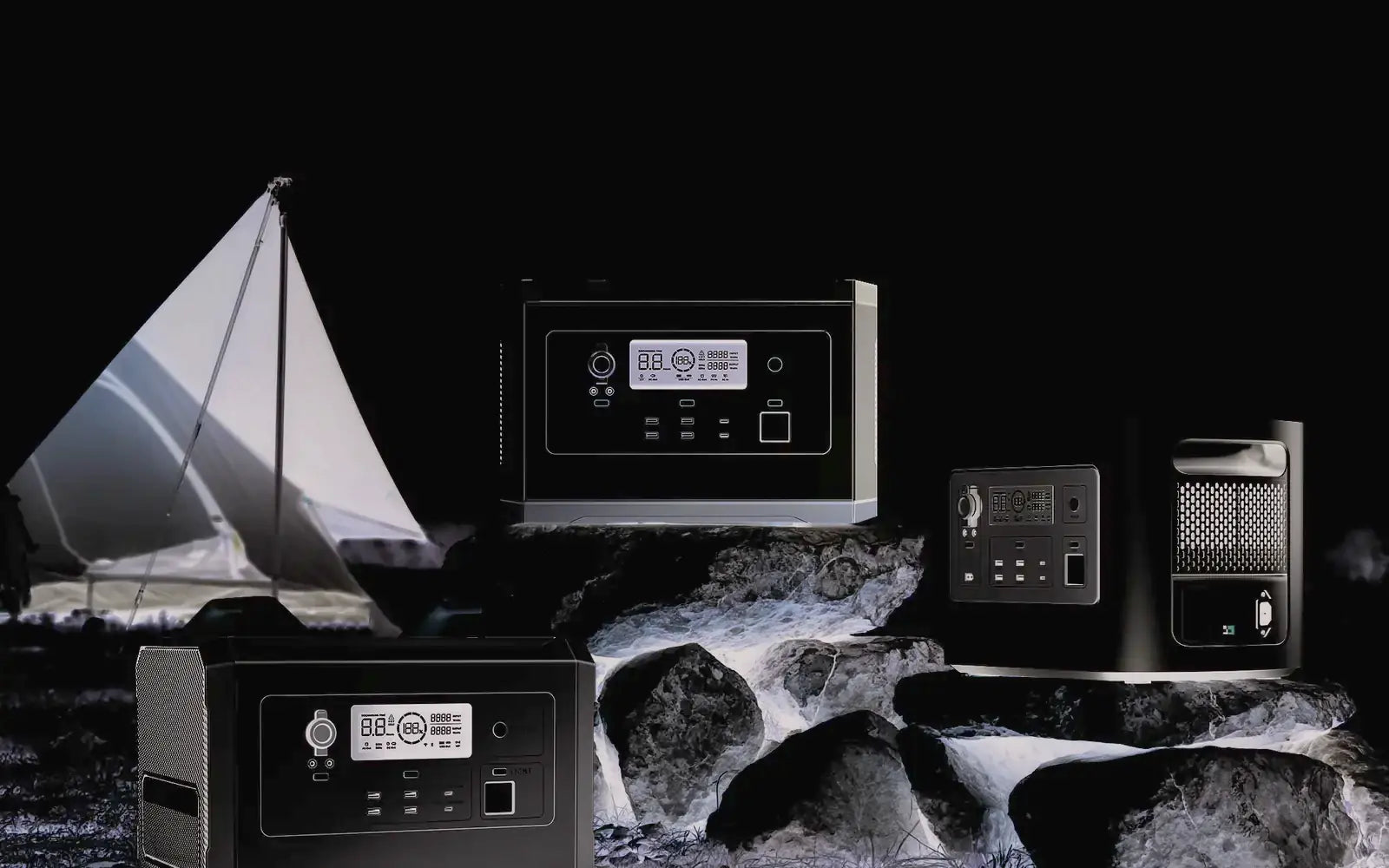
Compare four portable-power models for compatible camping, mobile-work and temporary contingency equipment.
Explore Voltdeer portable power ↗Manufacturer specifications may change and vary by exact model, configuration, firmware and market release. Final suitability, compatibility and scope require technical and site assessment and the written proposal.