Catch performance drift
Compare production, battery behaviour and site demand with recent and seasonal patterns to identify changes worth investigating.

A solar and battery system can remain online while output falls, communications drop out or settings no longer match the way the site operates. Moebotics Energy combines remote data review with practical inspection and clear follow-up so small issues can be found earlier.

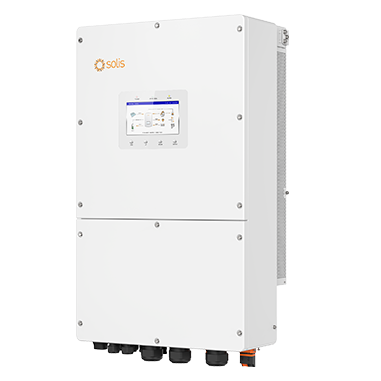
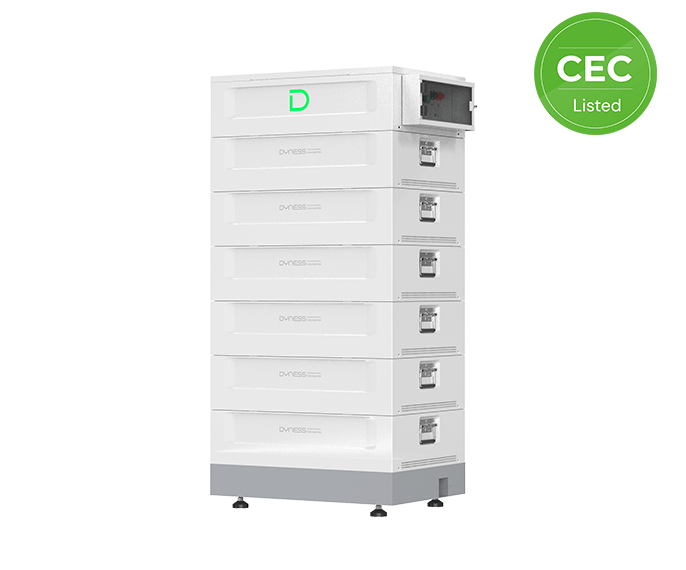
Energy systems work across hardware, software, communications, tariffs and changing loads. A useful maintenance program looks at how those parts work together—not only whether the inverter light is green.
Compare production, battery behaviour and site demand with recent and seasonal patterns to identify changes worth investigating.
Identify missing telemetry, unstable connections, meter issues or devices that have stopped reporting before months of useful history are lost.
Check whether battery schedules, export limits, charging priorities and other agreed settings still suit the tariff and operating profile.
Keep serial numbers, alerts, service findings, authorised changes and maintenance actions together for clearer support conversations.
Prioritise safety-critical and production-critical work, then schedule lower-risk items around access, operations and budget.
Consider solar, storage, EV charging, controls and loads as one energy system rather than isolated products.
A maintenance plan creates regular points to compare what the system is doing with how the property or business now uses energy.
The exact scope depends on the installed equipment, safe access, manufacturer instructions, available data and the service plan. The areas below show the practical coverage that can be assembled for a site or portfolio.

Our market-leading technology solution can bring together compatible system telemetry and customer-authorised energy information. Our team reviews the picture, identifies gaps and prepares the maintenance priorities before arriving onsite.
Data quality checks, trend comparison, exception screening and human review.
The pre-visit review informs the work plan. The onsite team then checks the physical system, confirms what the data could not show and records findings in a form that can be acted on.
Confirm equipment, access, shutdown needs, roof or plant-room conditions, isolation responsibilities and the work permit required by the site.
Review accessible modules, mounting, enclosures, ventilation, cabling, connectors, labels, barriers, controls and communications equipment.
Complete authorised functional, electrical or thermal checks that are included in the scope and appropriate for the system.
Check that available system status, meters, portals, timestamps and operating modes align after the maintenance work.
Document settings or component changes, photographs, serial numbers, alarms cleared, outstanding items and any required approvals.
Separate urgent risks, production-impacting items, planned improvements and observations so the customer knows what to do next.
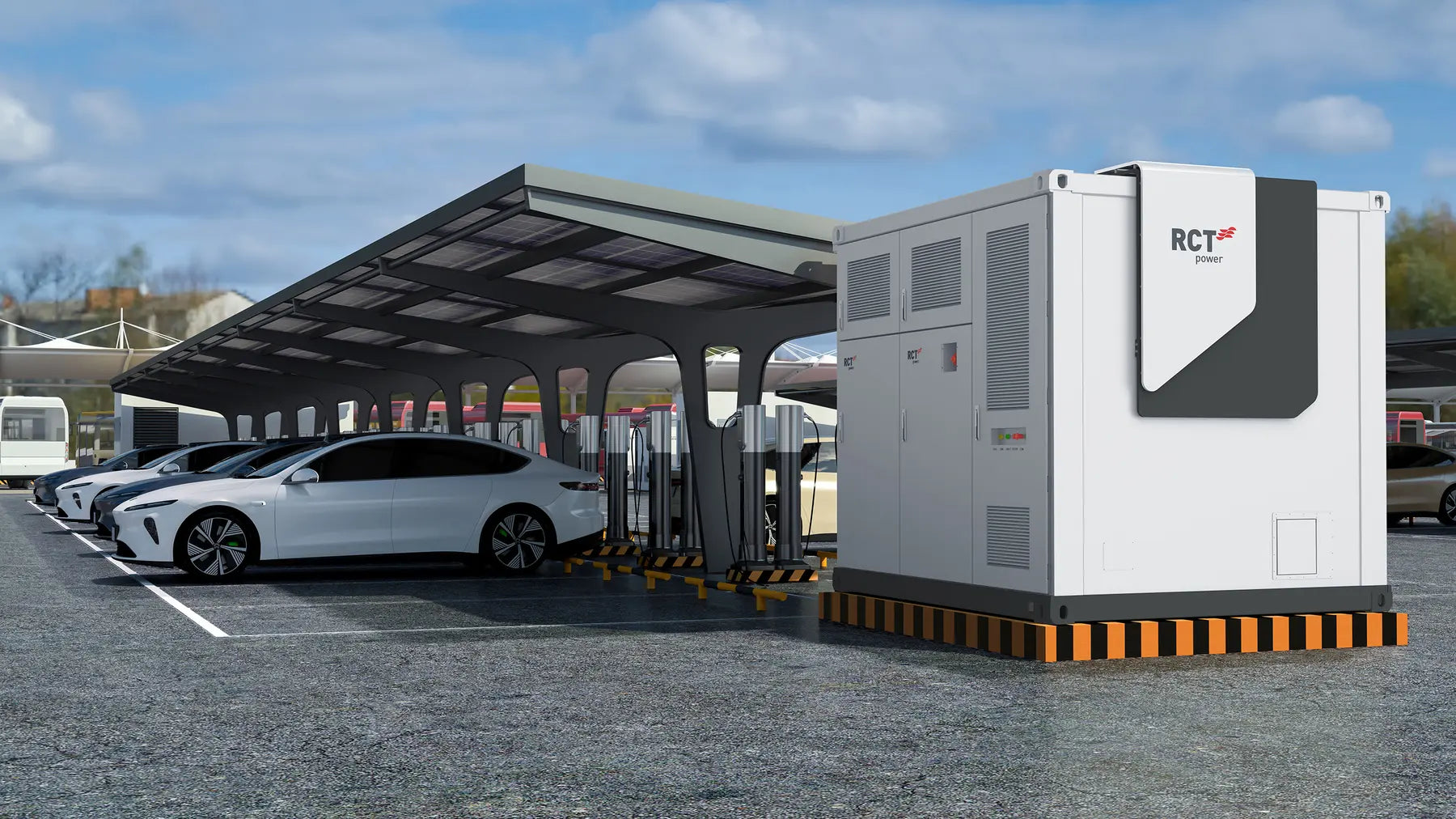

Each job is scoped around the system and the customer's priorities. The same pathway can support a home system, a commercial site or a multi-site portfolio.
Confirm equipment, contacts, available data, safe access and service history.
Screen performance, alarms, communications and operating patterns before the visit.
Complete the agreed visual, functional, thermal and electrical checks.
Separate urgent work, production impacts, planned repairs and improvement options.
Record actions, confirm owners and schedule the next review or rectification.
The report is designed for decisions. It records what was reviewed, what was found, what changed and what needs an owner, quote, specialist or future check.
A plain-language view of system status, material findings and the highest-priority actions.
Relevant equipment, serials, access details, portals, communications and service observations.
Photographs and notes grouped by urgency, operational effect and recommended next step.
Named responsibilities, required quotes or specialist input, target timing and items to recheck.
Manufacturer requirements, environment, system age, site access, criticality and data quality influence the program. We define the recommended frequency after understanding the installation.
Suitable for households that want a structured review of solar, battery, inverter and monitoring condition.
Built around operating hours, demand exposure, site safety, access controls and the value of energy production.
A consistent framework for sites with different equipment, access rules and operating priorities.
A good maintenance agreement distinguishes review, inspection, testing, cleaning, repairs, parts, specialist attendance and ongoing monitoring. The proposal defines these items for the actual site.
We confirm the final scope after reviewing the system, site and available records.
There is no single interval for every site. Equipment instructions, environmental exposure, system age, operating criticality, access and available monitoring all matter. We recommend a cadence after reviewing the installation and its service obligations.
Often, yes. We first confirm the equipment, documentation, safe access, portal availability and whether suitable technical support is available. Unknown alterations or incomplete records may require an initial baseline inspection.
Cleaning is included only when specifically quoted. We first consider production trends, visible condition, roof access, water quality, manufacturer guidance and whether cleaning is likely to be worthwhile and safe.
No. Connected data can reveal trends, alarms and missing information, but it cannot reliably show every physical, mechanical, environmental or electrical condition. The service plan defines the balance between remote review and onsite work.
Maintenance records can support a warranty process, but coverage is controlled by the applicable manufacturer terms and the installed configuration. We record relevant work and identify where manufacturer or installer involvement may be required.
Some inspections can be completed while the system operates; others require planned isolation or a controlled outage. We identify likely disruption during scoping and coordinate timing with the customer and qualified service team.
We explain the finding, immediate risk controls and next steps. Urgent electrical or safety matters are escalated to an appropriately qualified person. Repairs, parts, engineering or manufacturer attendance are quoted or authorised separately unless already included.
Yes, when energy review is included. A site may operate differently from when the system was installed. We can identify whether updated tariffs, battery schedules, load timing or EV charging plans deserve a separate optimisation review.
Preventative maintenance provides planned health checks. A managed service adds agreed monitoring, reporting and optimisation between those visits.
Bring recent bills, equipment details, portal access information, service history and the issues you have noticed. We will define the safest and most useful next step.