RCTerra Class 2.0 and RCTerra Pro 2.0 are integrated, outdoor-rated energy-storage cabinets for commercial and industrial assessment. Capacity is only one input: the load profile, connection, operating objective and site constraints determine whether either platform fits.
Compare two exact RCTerra configurations for different commercial and industrial project scales.
Model 261-125-01D
RCTerra Class 2.0
Integrated 261 kWh commercial and industrial energy-storage cabinet.
261 kWhNominal capacity
247.95 kWhUsable at 95% depth of discharge
125 kWRated AC power
≈2,700 kgApproximate weight
Model 1044-500-01D
RCTerra Pro 2.0
Integrated 1,044 kWh commercial and industrial energy-storage system.
1,044 kWhNominal capacity
991.80 kWhUsable at 95% depth of discharge
500 kWRated AC power
≈10.9 tApproximate weight
Your proposal will identify the exact RCTerra model, capacity and power rating selected for the site.
Integrated site planning
Storage belongs in the wider electrical plan.
The operating objective, charging demand, solar generation, grid connection and controls must be assessed together. Final design is site-specific.
Specifications
Compare like with like.
Both configurations use LiFePO₄ battery packs with liquid cooling and integrate a battery-management system and energy-management system.
RCTerra Class 2.0 and RCTerra Pro 2.0 comparison.
Specification
RCTerra Class 2.0
RCTerra Pro 2.0
Exact model
261-125-01D
1044-500-01D
Nominal / usable capacity
261 / 247.95 kWh
1,044 / 991.80 kWh
Rated AC power
125 kW
500 kW
AC connection
400 Vac, 3P+N+PE, 50/60 Hz
400 Vac, 3P+N+PE, 50/60 Hz
DC voltage
832 Vdc rated; 689–930.8 Vdc operating range
832 Vdc rated; 689–930.8 Vdc operating range
Battery & cooling
LiFePO₄; liquid-cooled battery packs
LiFePO₄; liquid-cooled battery packs
Enclosure
IP54; C4 corrosion grade, C5 optional
IP54; C4 corrosion grade, C5 optional
Dimensions
W1130 × H2328 × D1385 mm
W2991 × H2591 × D2438 mm
Maximum stated envelope
W1184 × H2328 × D1421 mm with optional trim and door lock
W3061 × H2672 × D2438 mm with optional trim
Communications
Modbus TCP
Modbus TCP
An IP rating describes tested enclosure protection; it is not a blanket installation-location approval. Clearances, access, structure, fire-safety inputs, environmental conditions and electrical requirements must be resolved for the site.
What it may address
Define the operating objective first.
Depending on the final system design, RCTerra can support self-consumption, time-of-use operation, peak shaving and third-party power dispatching. The appropriate operating mode is selected around the site's loads, tariffs and approved control strategy.
01
Solar alignment
Model whether shifting excess generation into later operating hours fits the site's energy profile.
02
Tariff timing
Test time-of-use strategies against the actual tariff and forecast load rather than a generic schedule.
03
Peak demand
Locate the events that set demand cost, then test the battery power and energy needed to influence them.
04
Site controls
Confirm metering, communications, control boundaries and any third-party dispatch requirements.
No backup outcome, savings result, grid-service participation or third-party compatibility is guaranteed by inclusion in this catalogue.
Equipment views
Inspect the physical form.
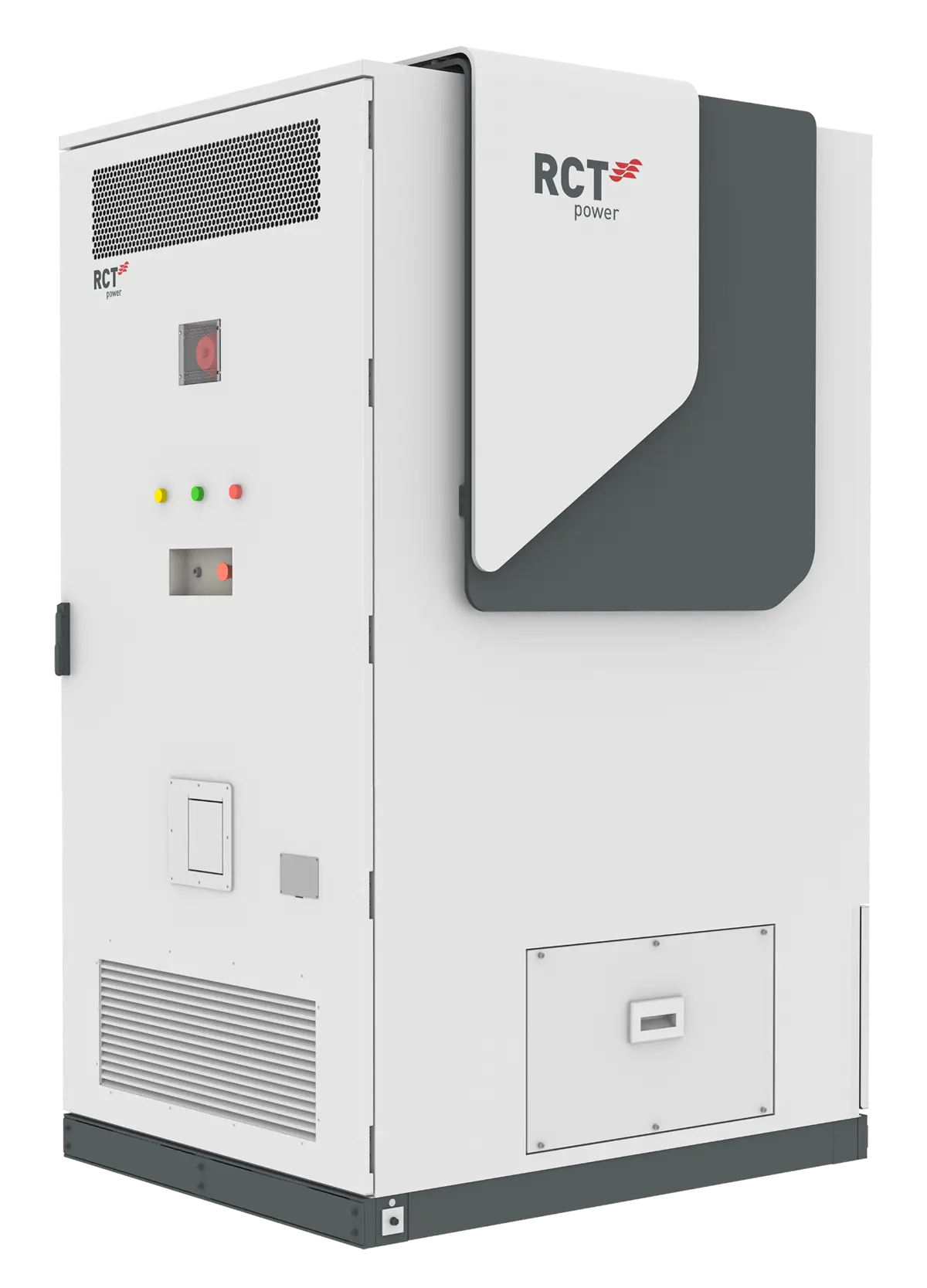
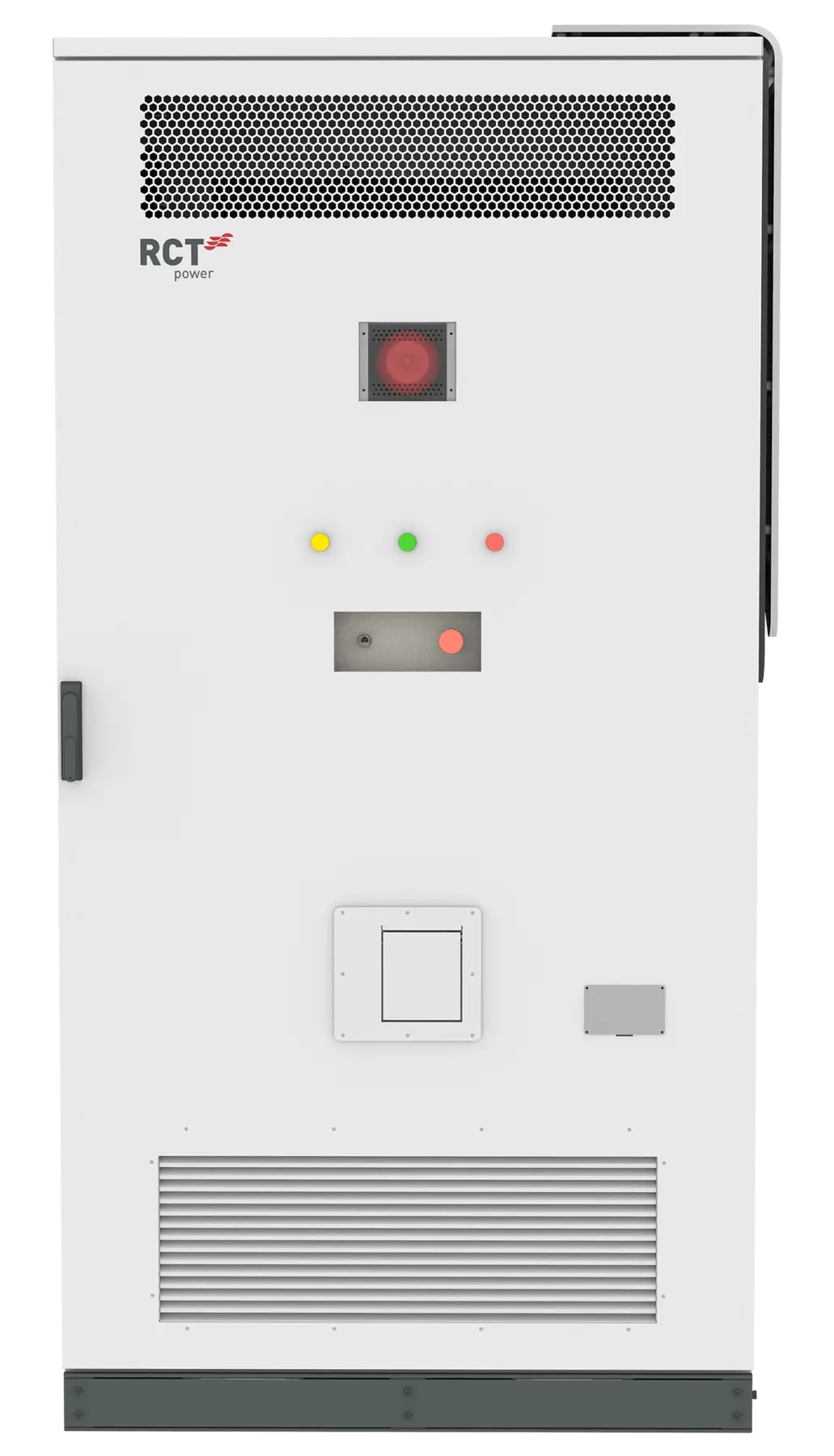
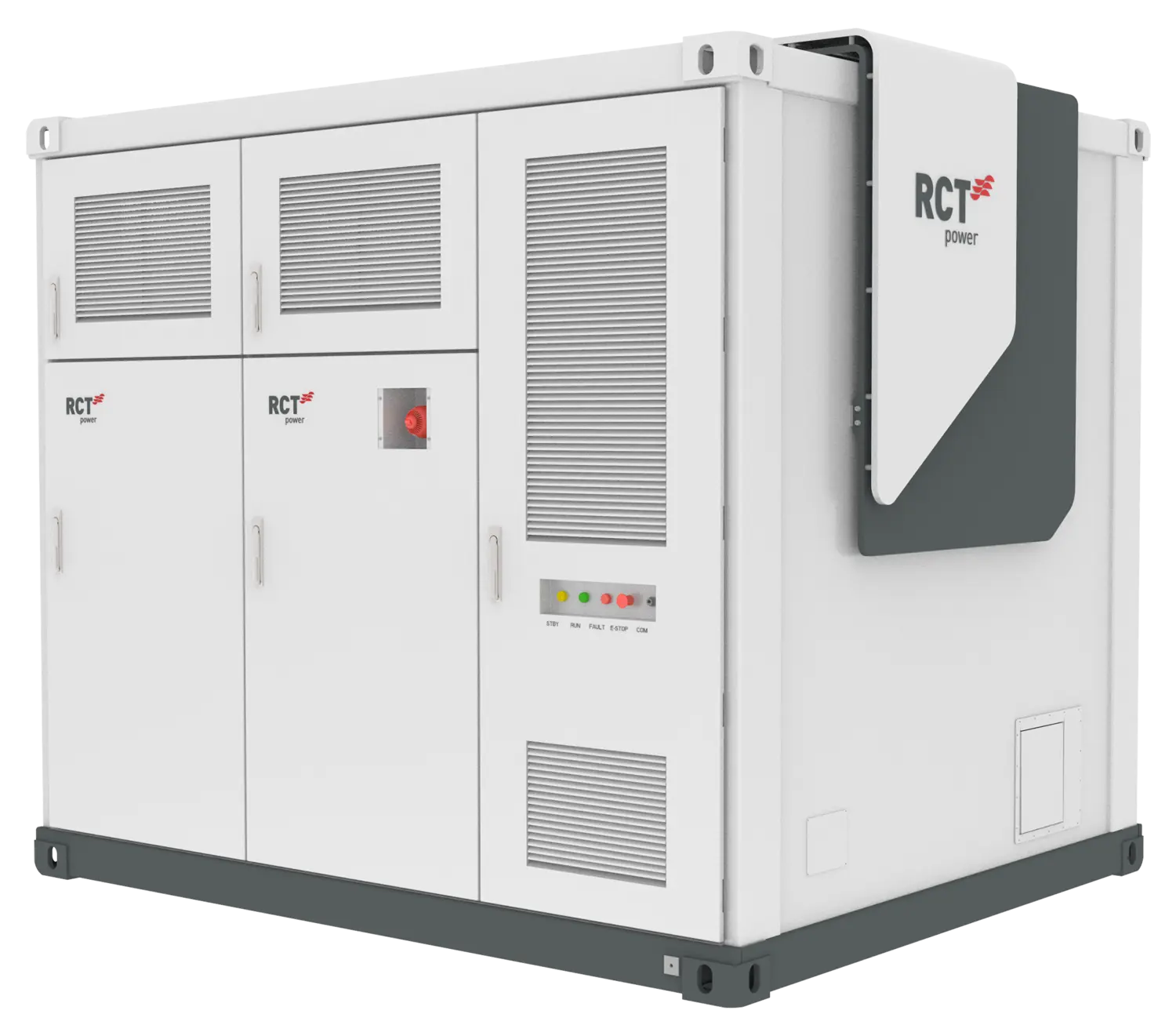
Product views help with early space and access discussions. Final dimensions, clearances, foundations, service access and installation conditions come from the approved design and current technical documentation.
RCTerra Class 2.0Front equipment view.
RCTerra Class 2.0Alternate equipment view.
RCTerra Pro 2.0Front equipment view.
RCTerra Pro 2.0Alternate equipment view.
Before selection
Information we need from the site.
Commercial battery sizing requires interval data, not annual consumption alone.
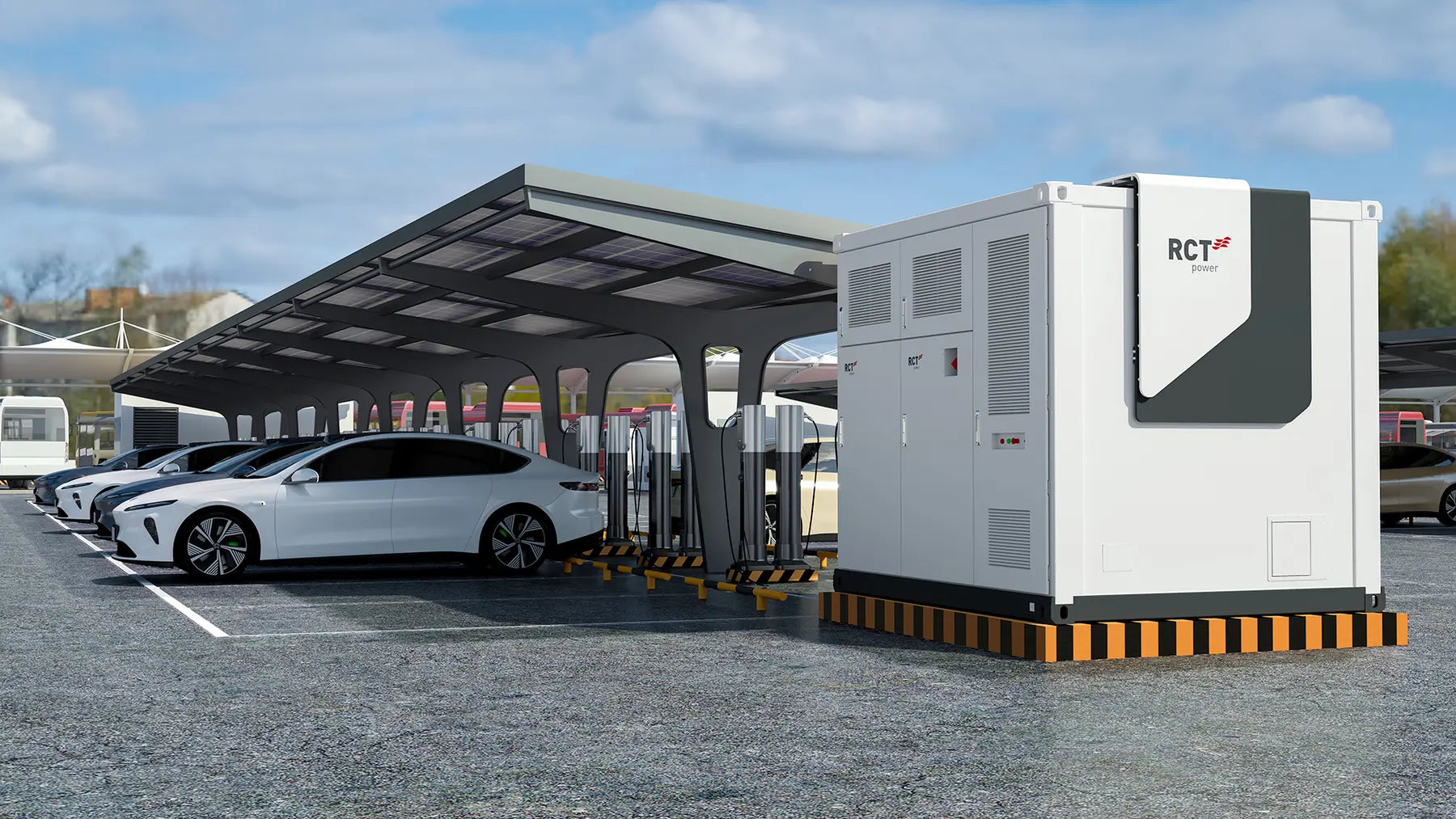
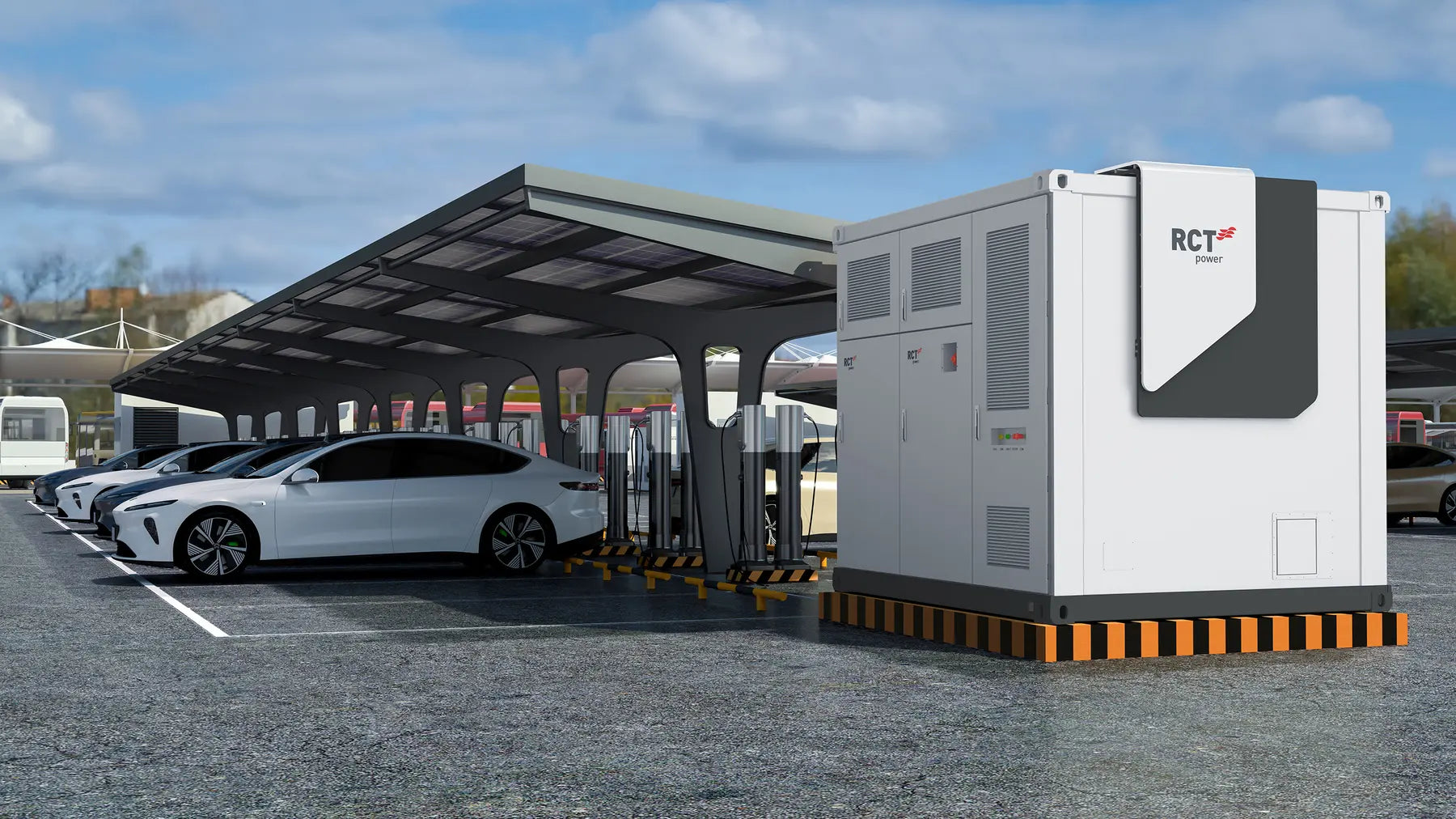
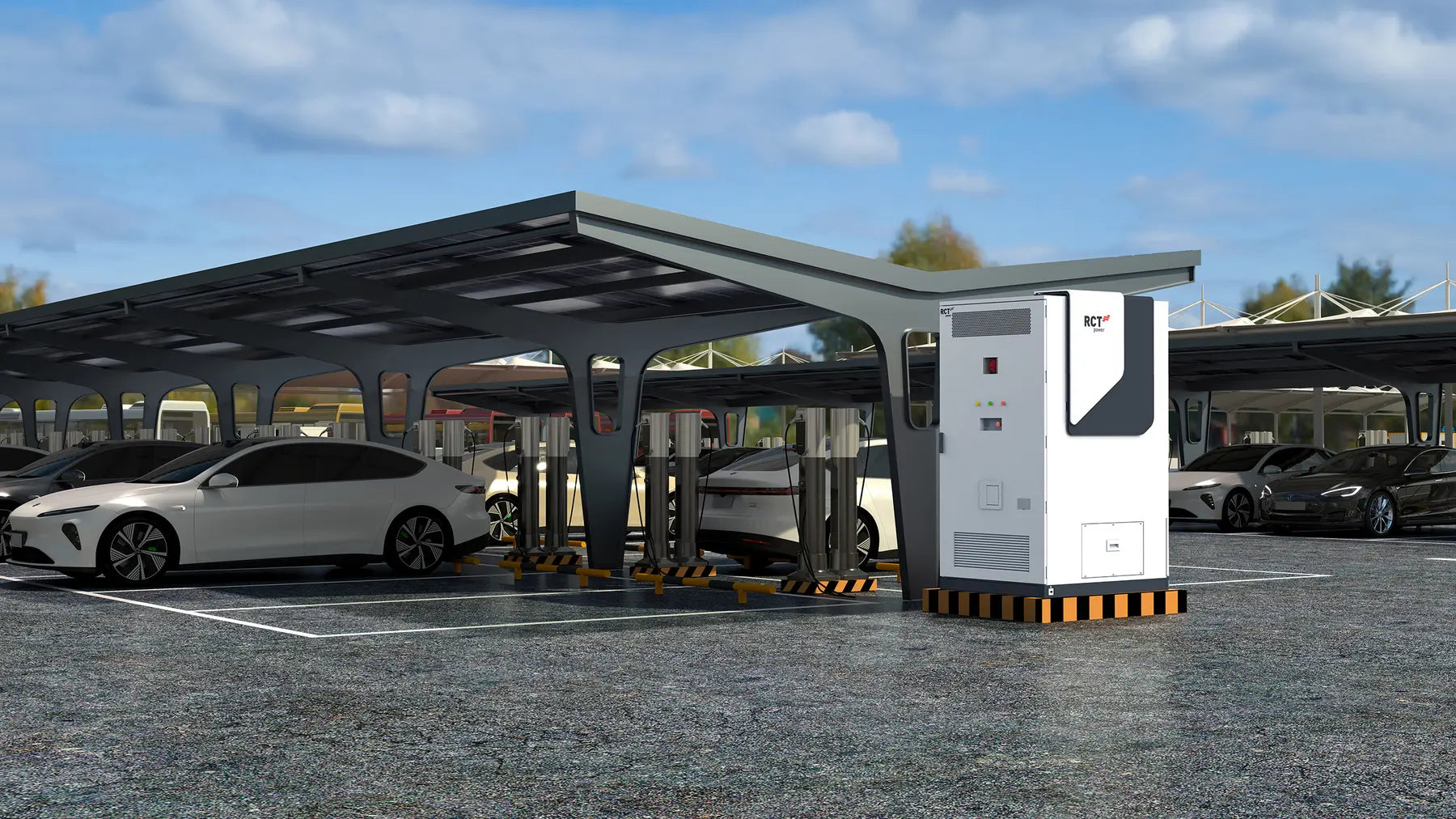
RCTerra Pro 2.0 shown in an EV-charging setting. Final site architecture is project-specific.RCTerra Class 2.0 shown in an EV-charging setting. Final site architecture is project-specific.
Energy
Load and tariff data
Recent bills, interval data, operating hours, demand charges, solar production and planned load changes.
Electrical
Connection and architecture
Supply arrangement, switchboard information, network constraints, existing generation and control interfaces.
Site
Space, access and approvals
Available area, access, structure, environmental exposure, fire-safety inputs and applicable approval pathways.
Start with interval data, the electricity tariff, operating context and site information. The final recommendation may include storage, a different technology mix, or no battery.