UNDERSTAND
Review bills, interval data, tariffs, operating hours, existing equipment and planned loads.

We begin with how your home, site or portfolio uses electricity—its tariff, operating hours, peaks and future loads. Solar, storage, charging and controls are considered only after the problem is understood.
A product list is useful only when it sits inside a clear decision process. We use energy information and site constraints to narrow the options, then confirm the final equipment and scope in writing.
Review bills, interval data, tariffs, operating hours, existing equipment and planned loads.
Compare relevant scenarios using stated inputs and assumptions, including load timing and controls.
Coordinate the approved design, technical inputs, delivery, appropriately qualified installation and commissioning.
Where access and scope permit, compare actual system operation with the intended design.
Review changing tariffs, loads and priorities and recommend adjustments where the agreed service includes them.
Planned maintenance and connected management can help keep the equipment, data and operating strategy aligned as the site changes.
Roof area, orientation, shading, structure, module dimensions, electrical design and installation conditions determine which panel fits.
Which module and array layout will convert the available roof area into useful onsite energy while fitting the building and electrical design?

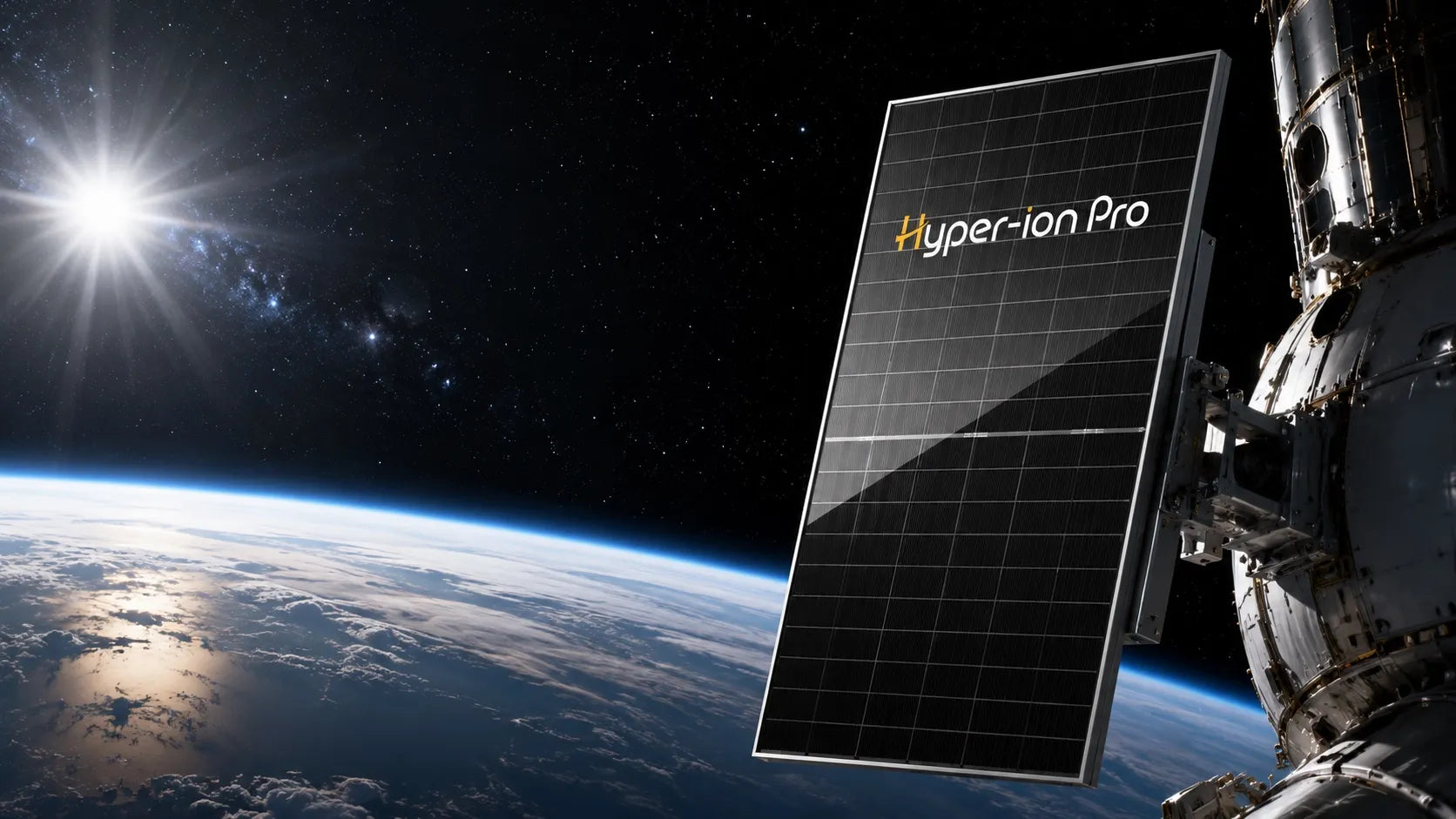
A compact 475 W bifacial dual-glass module designed for Australian and New Zealand rooftops.
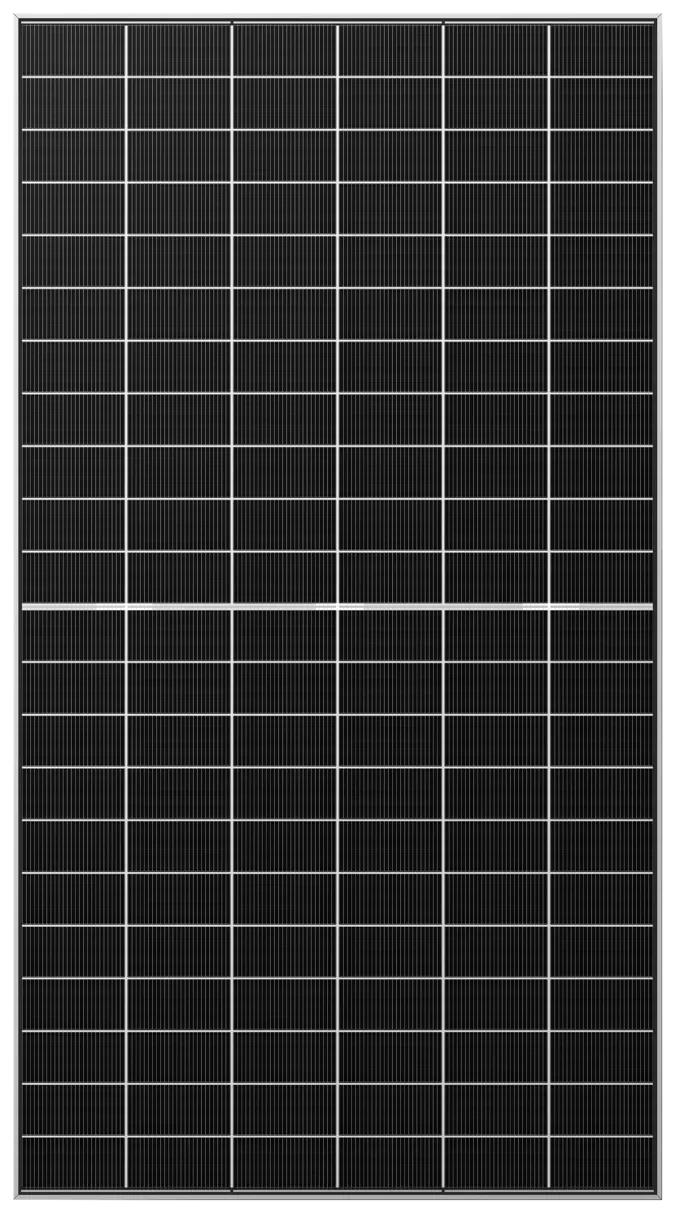
A higher-power module range for larger arrays. The exact wattage, dimensions and electrical characteristics vary within the model range and must be resolved during design.
Useful onsite generation depends on available roof area, orientation, shading, structural inputs, electrical design and when the site consumes energy.
Load shifting, onsite solar use, demand management, EV support and continuity planning can require different capacities, power levels, controls and operating strategies.
What energy and power does the site need, at what time, and what does the proposed battery need to work with?
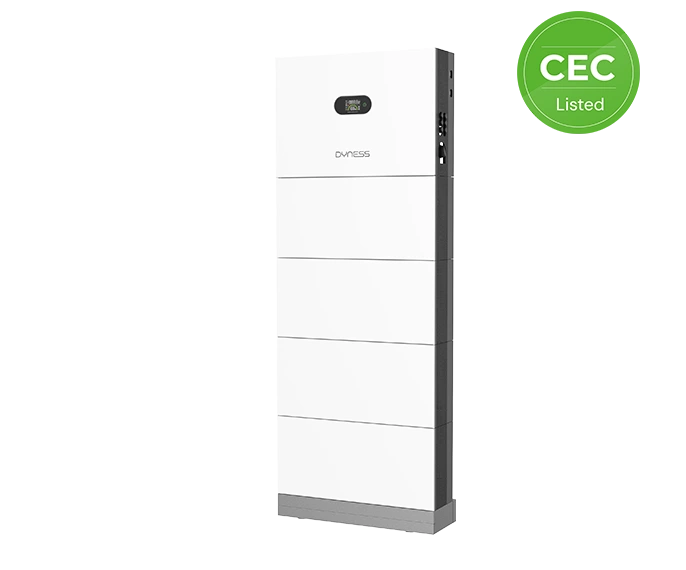
Single-phase hybrid storage platforms with modular LiFePO₄ batteries for household assessment.
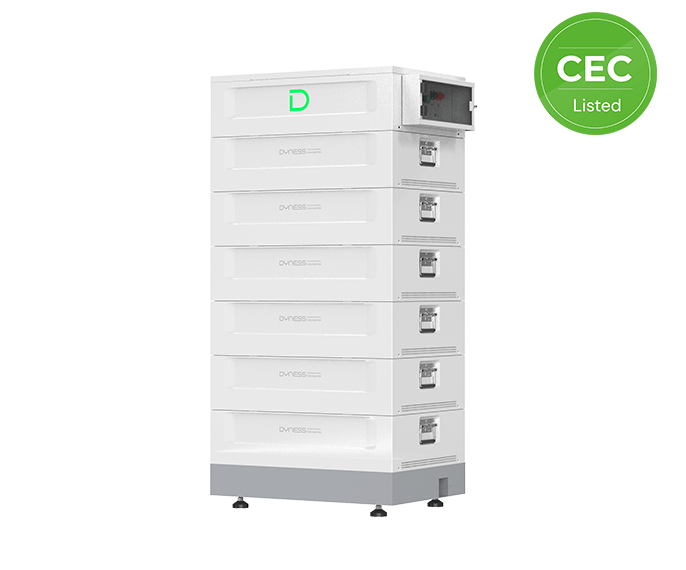
A modular 5.12 kWh battery platform for larger residential and business designs. Stack size, parallel architecture and inverter selection require project-specific validation.
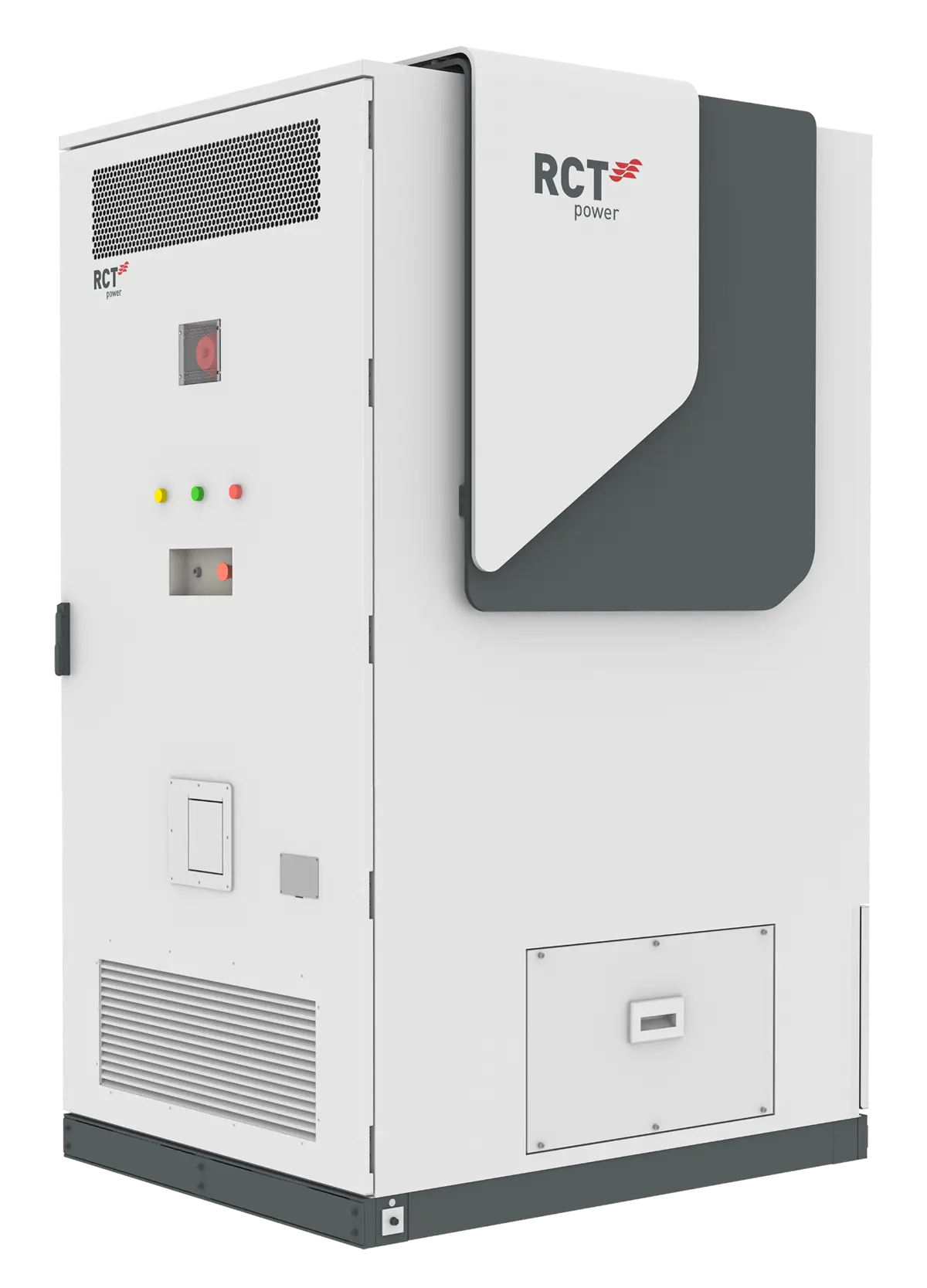
An integrated commercial and industrial energy-storage cabinet with LiFePO₄ batteries, liquid cooling, BMS and EMS.

A higher-capacity integrated storage platform for projects requiring detailed connection, load and operating analysis.

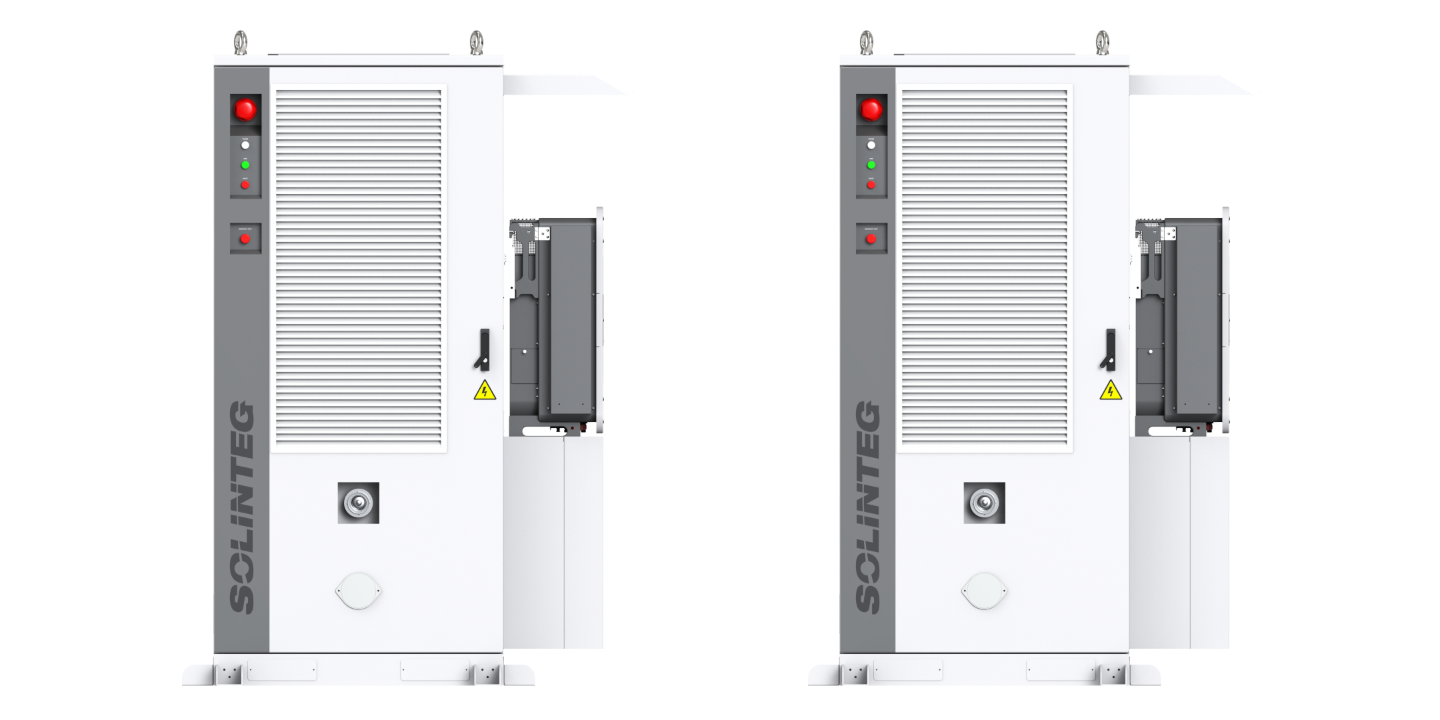
A liquid-cooled commercial and industrial energy-storage system considered within a site-level solar and storage architecture.
Phase, PV array, battery architecture, load profile, connection limits, communications and confirmed compatibility all shape inverter selection.
Which inverter architecture can coordinate the proposed generation, storage and loads within the site's electrical and network constraints?
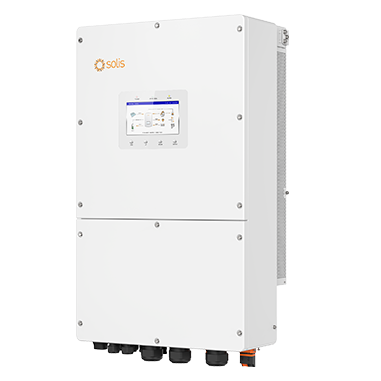
S6-EH3P hybrid inverter ranges cover 5–10 kW, 8–15 kW, 12–20 kW, 29.9–50 kW and 80–125 kW power classes.
Hybrid inverter options include MHS 3–8 kW, MHT 4–12 kW, MHT 10–20 kW and M2HT 25–50 kW, together with IntegHub monitoring and controls.
Vehicle numbers, dwell time, daily energy, available capacity, access rules and future growth come before charger selection.
How much energy must be delivered during the available dwell time—and how will the site manage that new load?
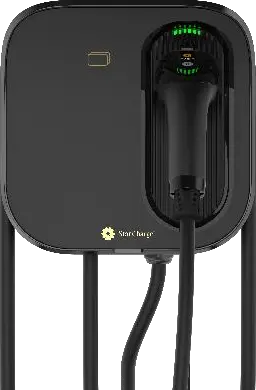
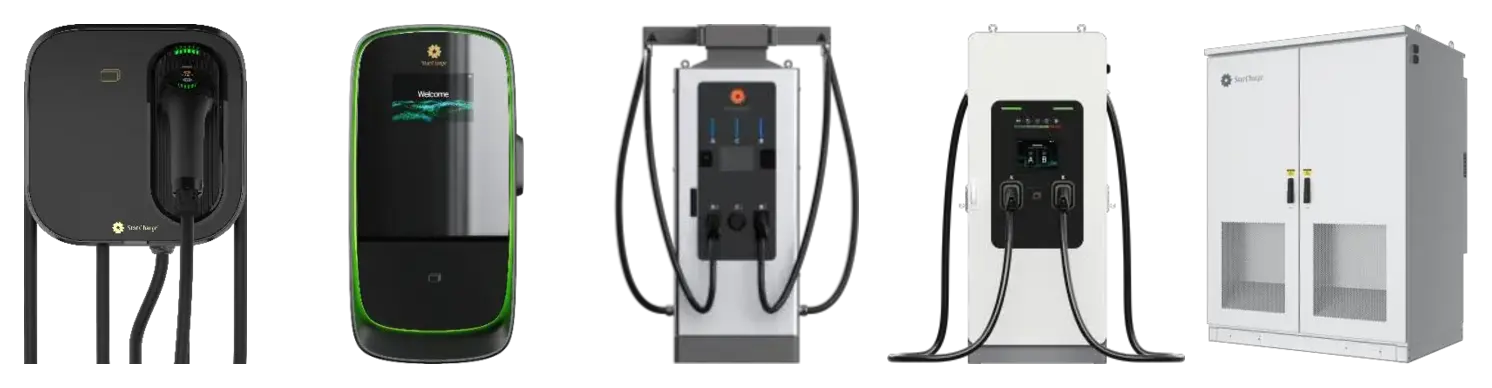
Type 2 AC charging options across single-phase and three-phase applications, with communications and access features varying by model.
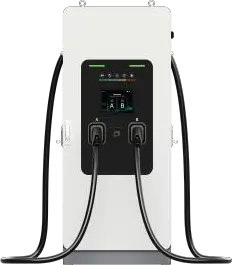
DC platforms ranging from a compact CCS2 charger through multi-connector and power-cabinet architectures. Configuration depends on throughput, dwell time, capacity and site design.
Moebotics Energy can also assess wall-mounted AC charging, high-power DC charging and storage-supported charging for projects with different dwell times, vehicle numbers and site-capacity limits.
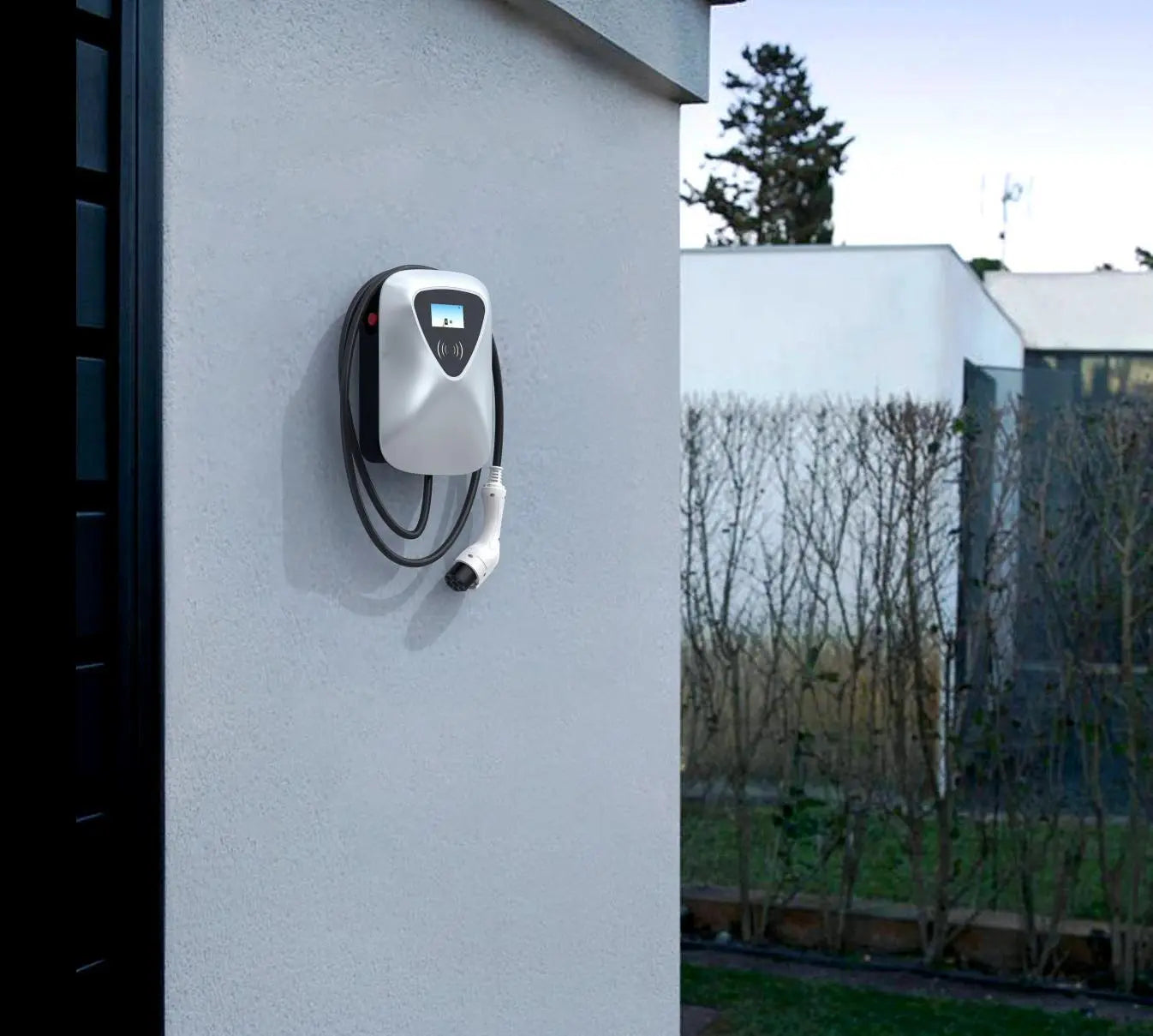
Wall-mounted options for homes, workplaces, fleets and destination charging where vehicles can remain connected for longer periods.
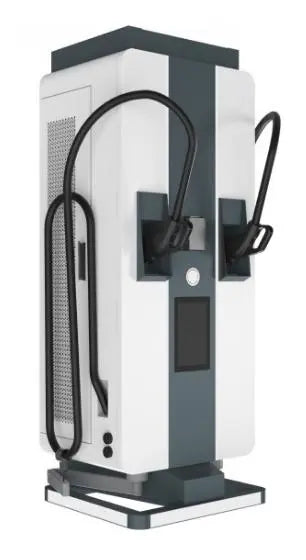
Dual-connector charging options for fleets, public charging, logistics sites and vehicles that need faster turnaround.

Battery storage, solar integration and dual-connector DC charging combined for sites where charging demand and electrical capacity need to be managed together.
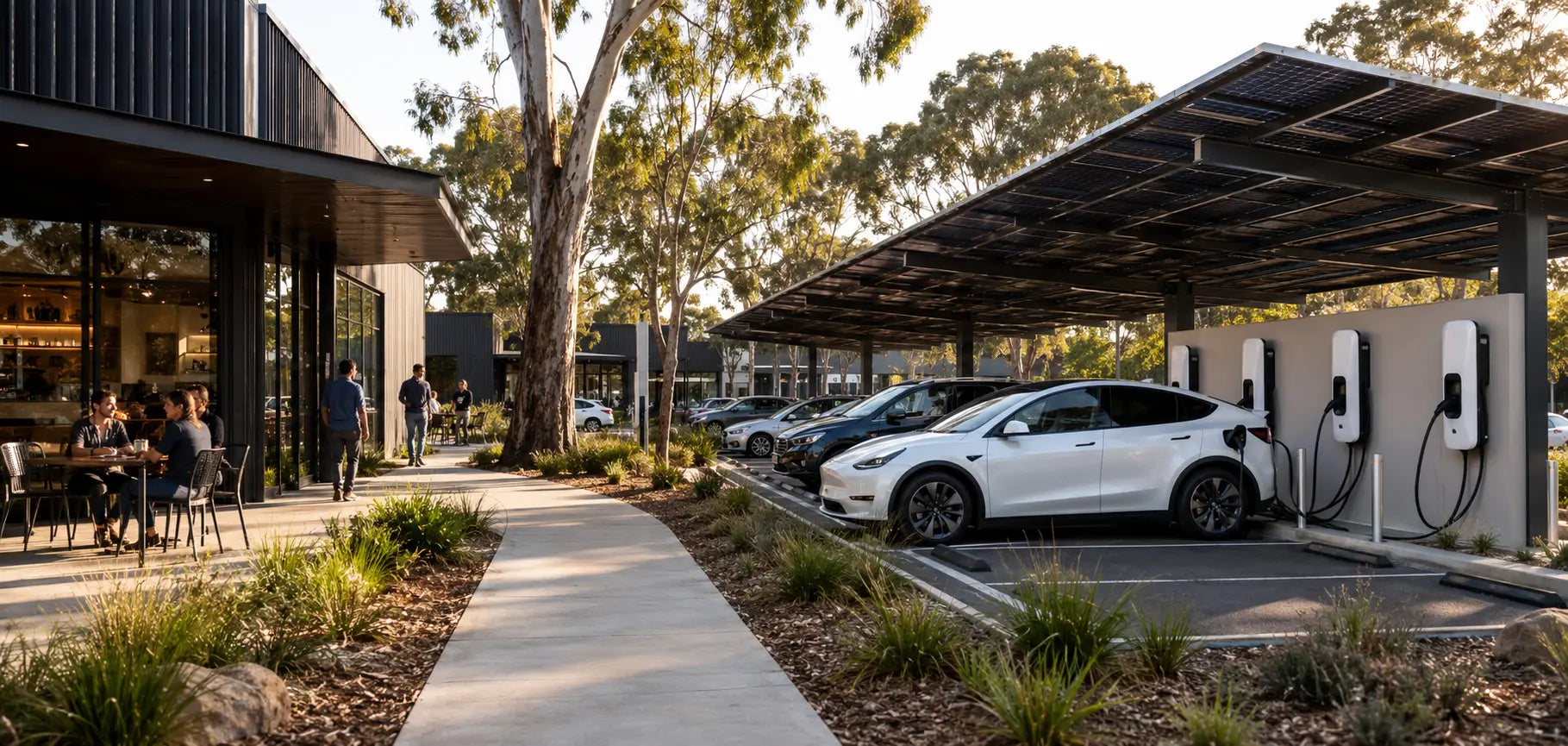
AC, DC and storage-assisted pathways should be compared using vehicle schedules, site capacity, electrical data and the intended operating model. Final layout and equipment are tailored to the project.
Voltdeer E Series products are portable options for camping, mobile work and temporary contingency use. They are not presented as permanently installed building batteries.
What equipment must run, for how long, and what are its operating and starting-power requirements?
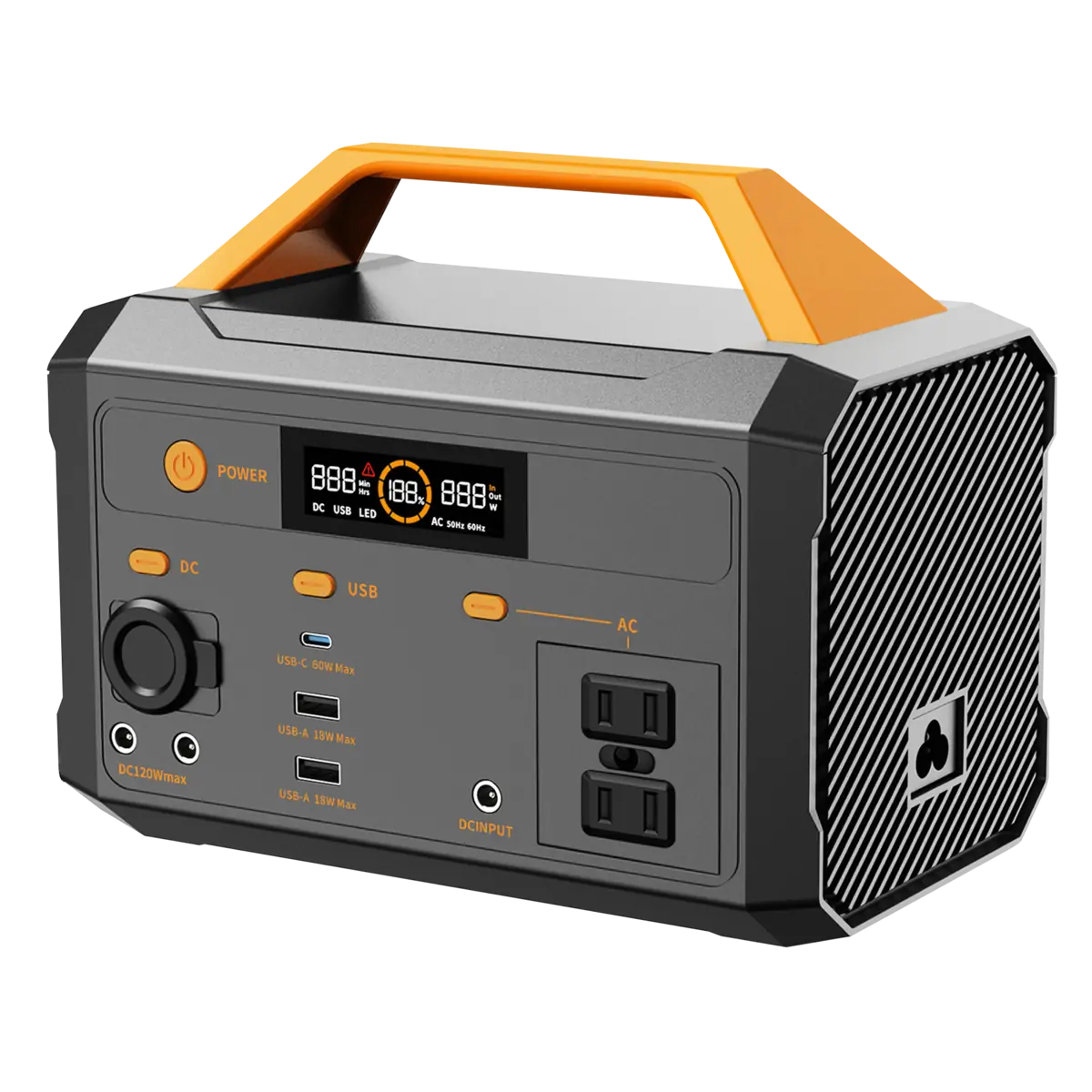
Compact portable power with up to 300 W AC output.
Review E203 details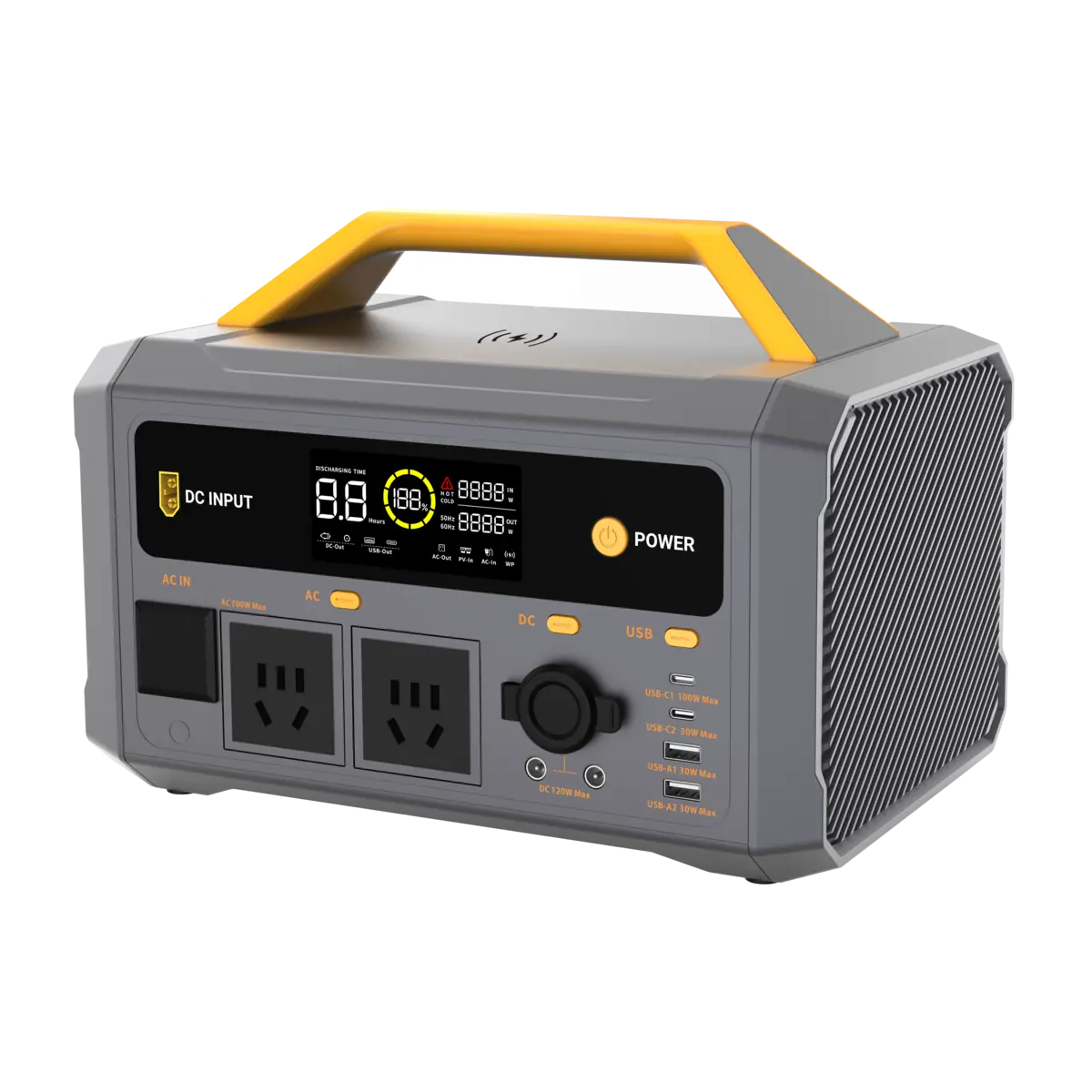
Portable power with 700 W AC output and model-specific USB, DC and charging options.
Review E207 details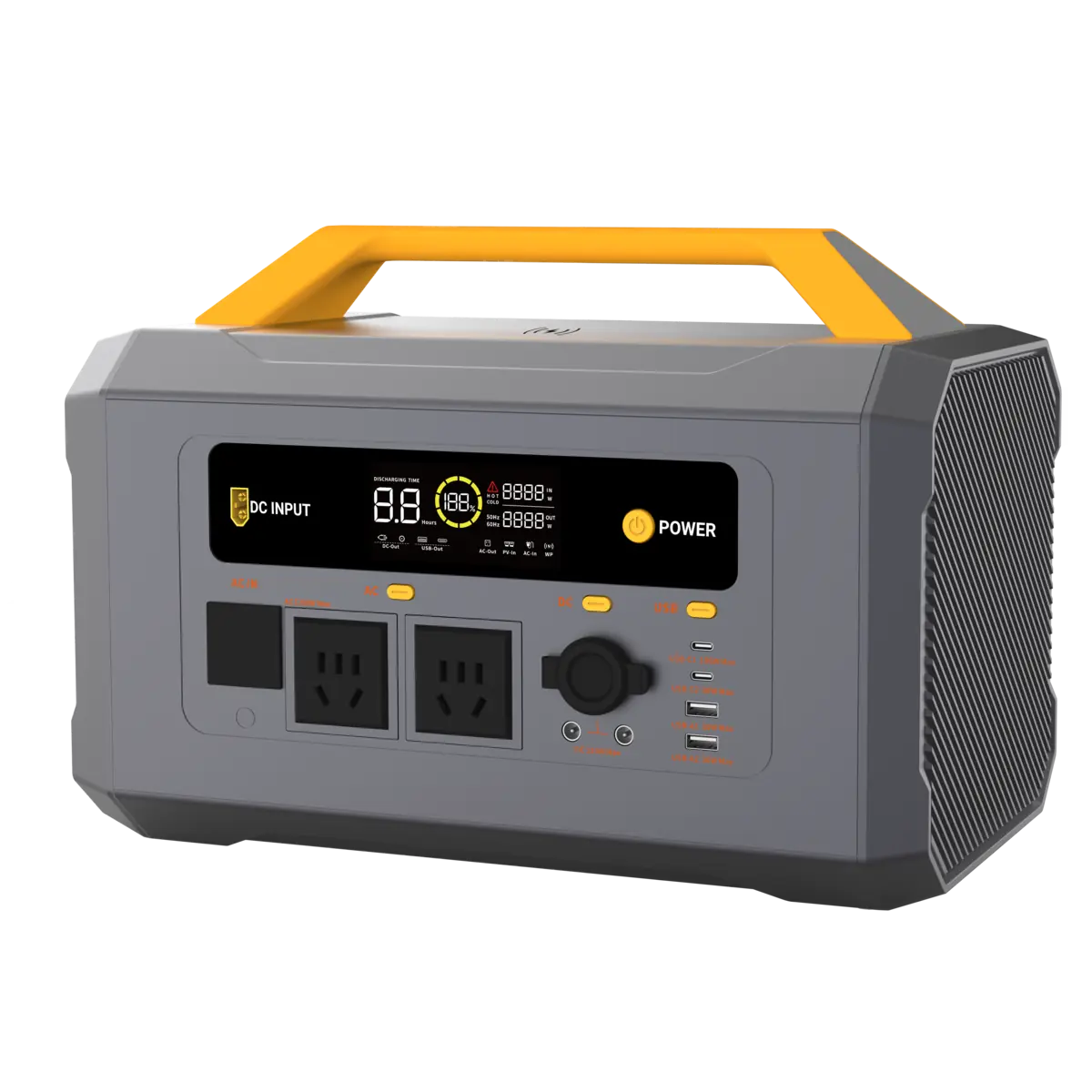
Portable power with 1,200 W AC output for higher-demand mobile applications.
Review E212 details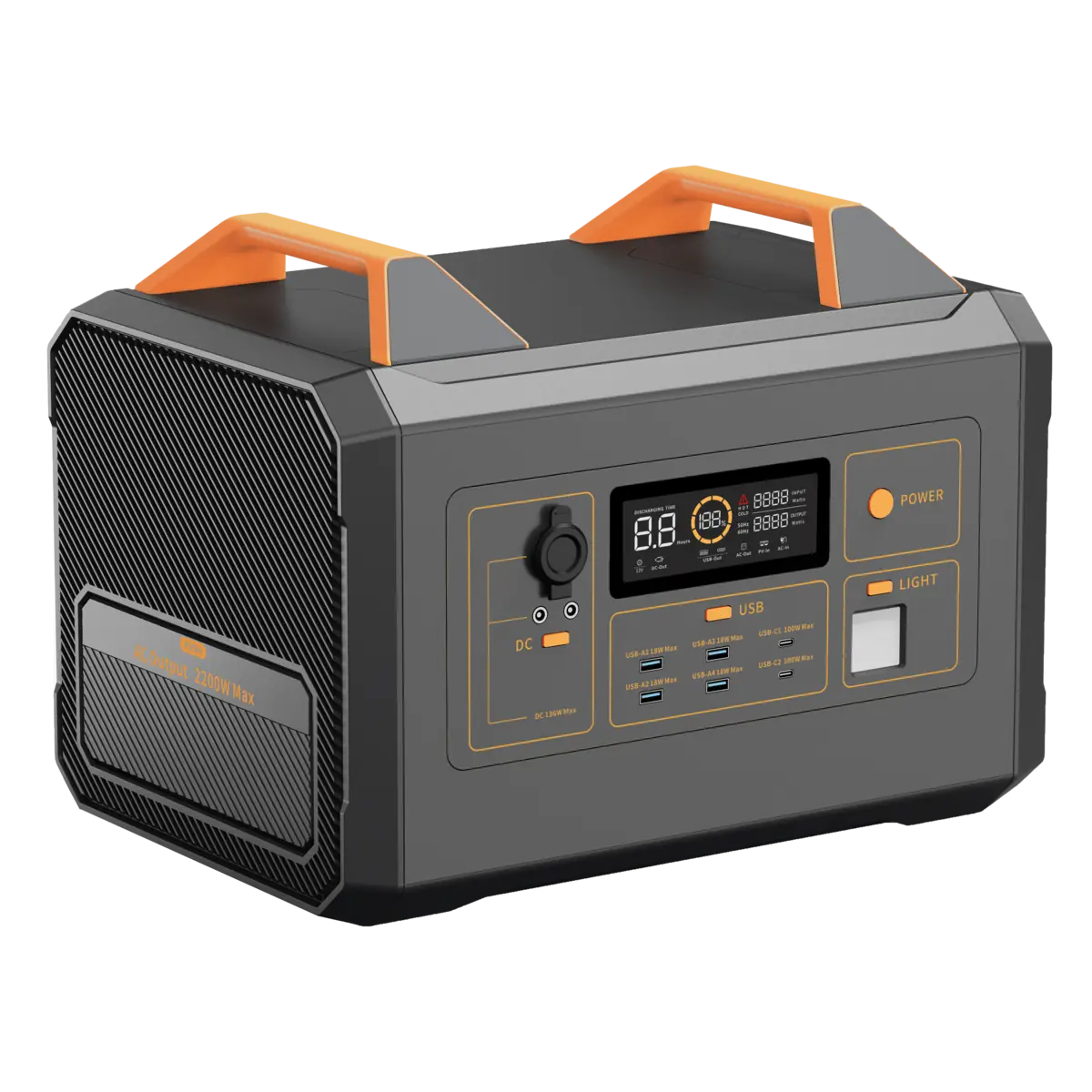
Portable power with 2,200 W AC output for larger portable-energy requirements.
Review E222 details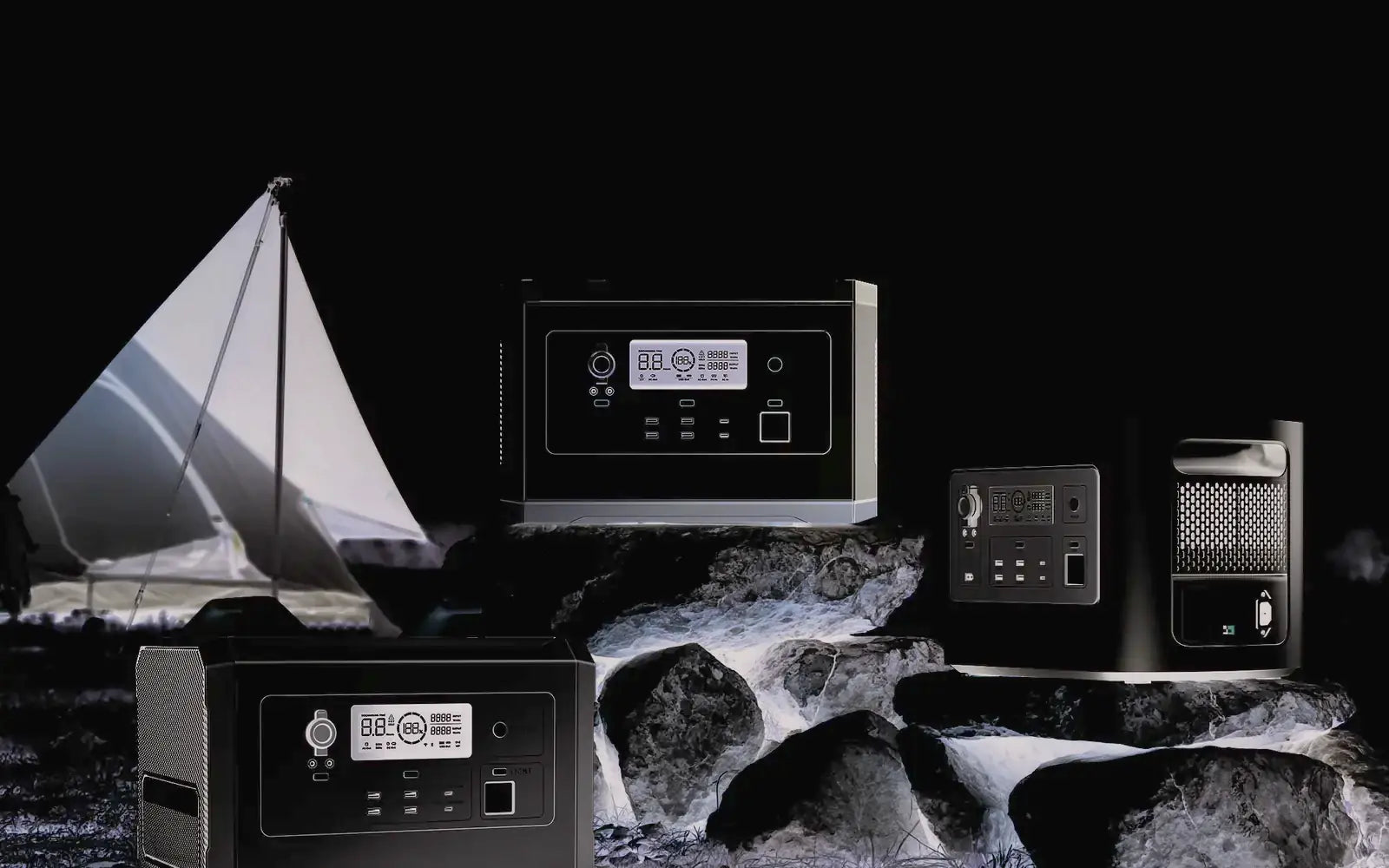
Portable power depends on connected equipment, operating and start-up demand, required runtime, port compatibility and the next charging opportunity.
Provide a recent electricity bill, interval data if available, and a few details about the site. We will use them to identify the next questions—not to force the site into a pre-selected package.