Right charging speed
Vehicle capability, daily energy and dwell time determine whether AC or DC charging is the better starting point.

Explore 7–22 kW AC charging, 60–240 kW DC charging and an integrated 261 kWh solar-storage-charging platform. We assess each option against vehicle duty, dwell time, site capacity, controls and project requirements before recommending equipment.

Moebotics Energy confirms the exact model, performance, compatibility, Australian requirements, supplier support and availability for the proposed project.
Vehicle capability, daily energy and dwell time determine whether AC or DC charging is the better starting point.
Connector type, access, communications, load management and power sharing are matched to the operating model.
The selected equipment is checked against applicable electrical, installation, network and site requirements.
Availability, warranty, commissioning and after-sales responsibilities are confirmed before equipment is specified.
AC charging is normally assessed where vehicles can remain connected for several hours. The vehicle's onboard charger, not only the charge point, limits the power accepted.
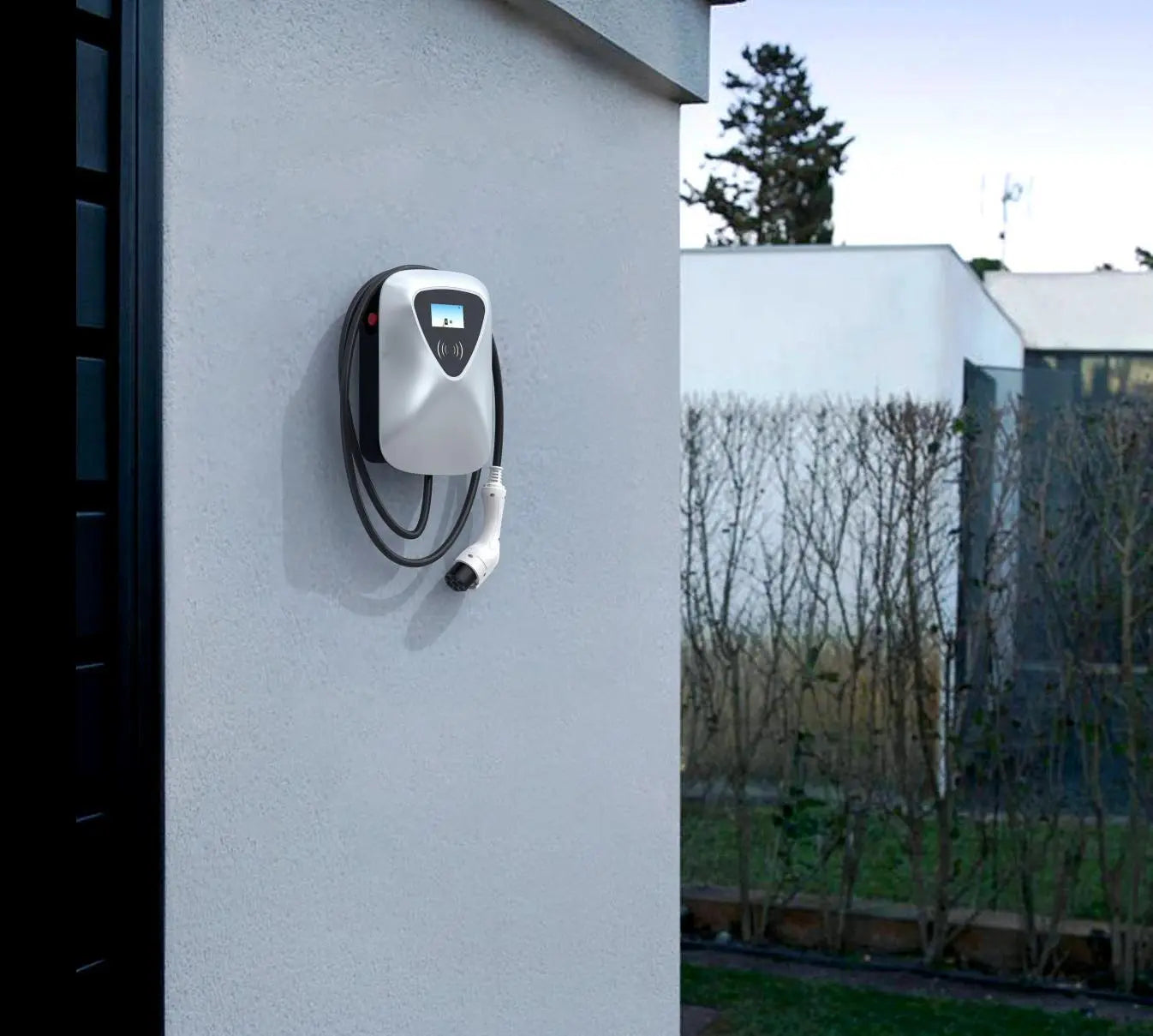
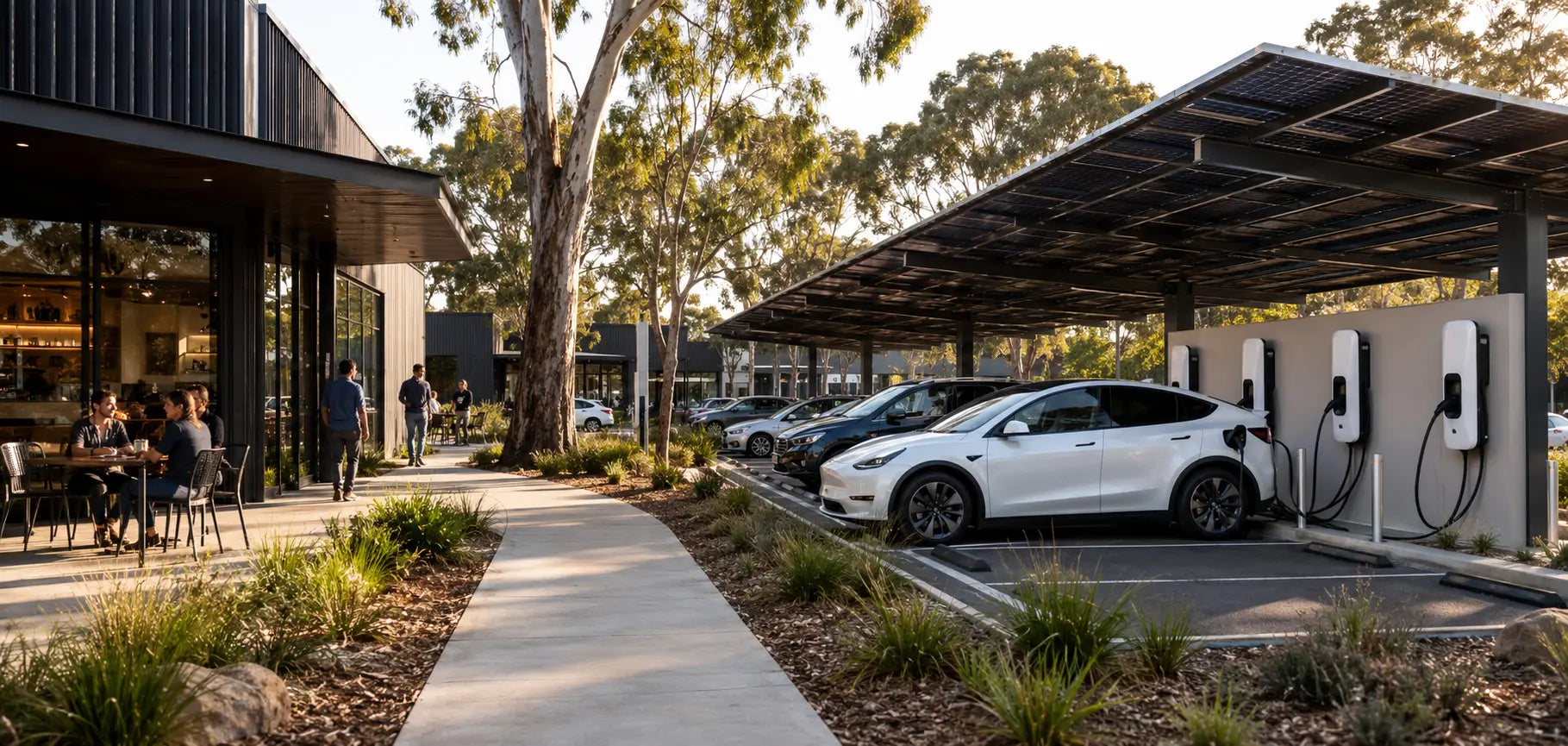
| Model | Rated output | Input | Maximum current | Connection |
|---|---|---|---|---|
| ENC-ACB007A-S | 7 kW | Single-phase, 220 V ±15% | 32 A | Type 2 · 5 m cable |
| ENC-ACB011A-S | 11 kW | Three-phase, 380 V ±15% | 16 A | Type 2 · 5 m cable |
| ENC-ACB022A-S | 22 kW | Three-phase, 380 V ±15% | 32 A | Type 2 · 5 m cable |
A larger cabinet rating does not guarantee a faster session. Vehicle voltage, charging curve, state of charge, temperature, simultaneous connectors, cable limits, electrical capacity and controls can all constrain delivery.
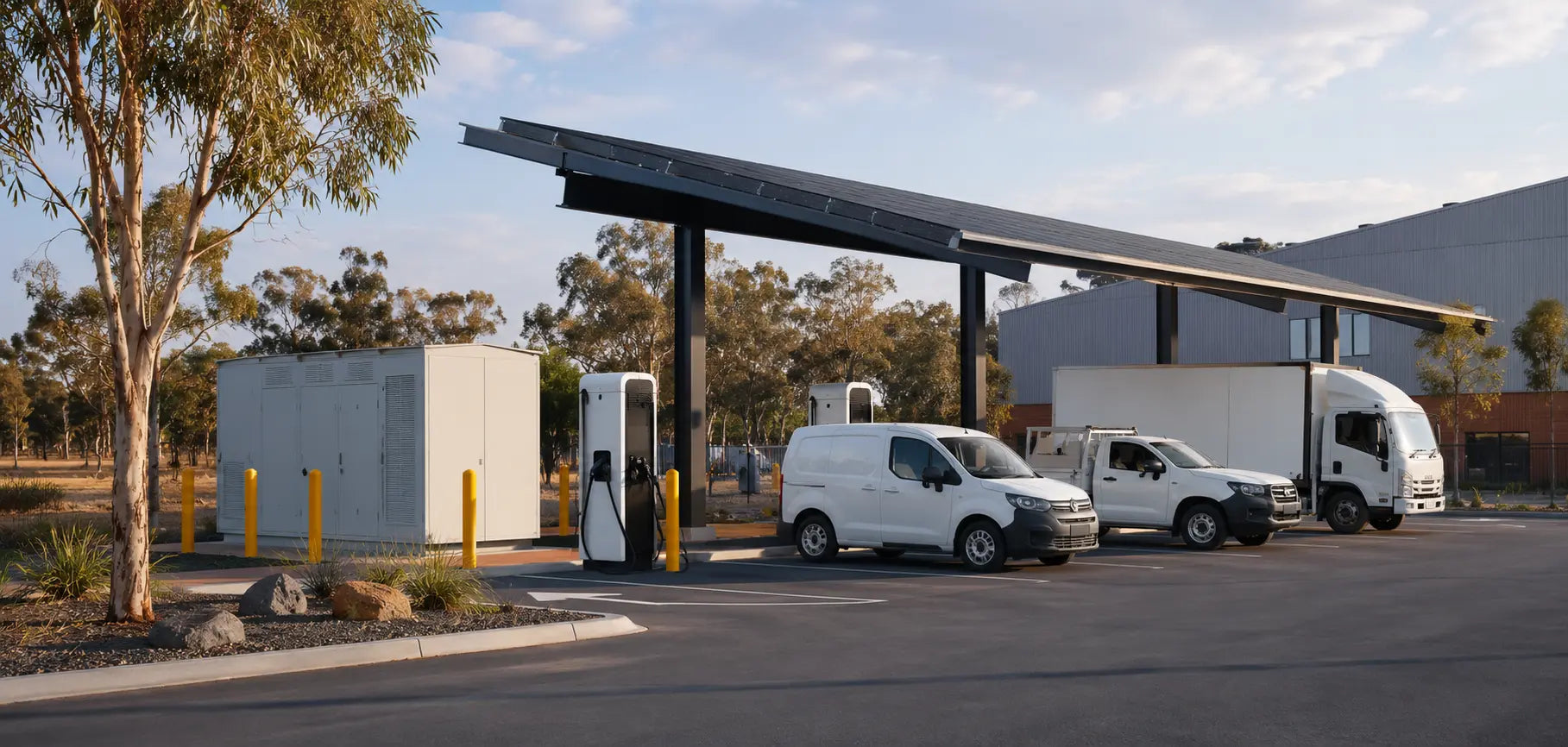
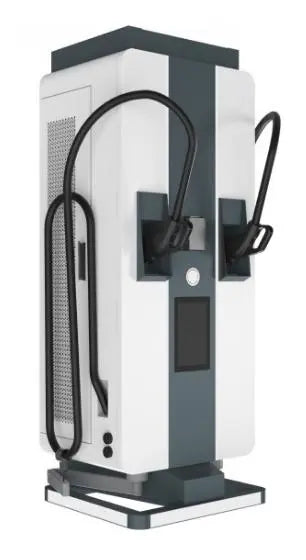
| Model | Rated output | DC output window | Stated maximum current | Connectors |
|---|---|---|---|---|
| ENC-DCL060B | 60 kW | 200–1000 V | 200 A | Dual CCS2 |
| ENC-DCL120B | 120 kW | 200–1000 V | 250 A | Dual CCS2 |
| ENC-DCL160B | 160 kW | 200–1000 V | 250 A | Dual CCS2 |
| ENC-DCL240B | 240 kW | 200–1000 V | 300 A | Dual CCS2 |
The GCC261K-125 combines a 261 kWh LFP battery platform with power conversion, PV integration and an integrated dual-connector DC charging subsystem. Final electrical architecture and optional equipment are configured around the project.


Five nominal 52 kWh liquid-cooled packs connected in series; 832 V nominal system voltage.
Battery charge and discharge power for the integrated platform.
An integrated charging subsystem, distinct from the 125 kW battery PCS. Final charging current and power sharing are confirmed for the project.
Static transfer equipment and backup operation are optional in some configurations, not standard outcomes.
We start with vehicles, energy demand and site capacity, then confirm the equipment and project scope that best fit the operating requirement.
Map vehicles, daily energy, routes, arrival and departure times, dwell and expected growth.
Review interval data, tariff, connection capacity, switchboards, solar and other planned loads.
Compare managed AC, DC and storage-assisted scenarios against operational constraints.
Confirm model availability, connection standard, software, warranty and site approvals.
Define electrical, civil, access, protection, communications, commissioning and expansion scope.
Compare these additional options with the StarCharge range and the wider Moebotics Energy site-assessment process.
Bring vehicle schedules, electricity data and site information. We will identify the key technical questions and recommend the next design step.